


Principal Research Fellow (Reader) in Digital Citizenship
- Dr Igor Calzada, MBA, FeRSA is Principal Research Fellow (Reader) intersecting digital, urban, and political transformations paying special attention to regional comparative studies from the social innovation perspective on (i) smart city citizenship, (ii) benchmarking city-regions, and (iii) digital rights/citizenships and data co-operatives.
- 2023: Awarded the Learned Society of Wales Award 2023 by organizing an Online Workshop.
- 2023: Principal Investigator (PI)/Research Fellow/Associate Professor at Ikerbasque & the University of the Basque Country.
- 2022: Awarded Fulbright Scholar-in-Residence 2022-2023 at California State University (USA).
- 2022: Promoted to Principal Research Fellow (Reader) position (from Research Fellow) at WISERD funded by the ESRC, Cardiff University.
- 2019-2021: Served as Senior Advisor to UN-Habitat in Digital Transformation for Urban Areas, People-Centered Smart Cities and worked at the DG Joint Research Centre, European Commission in Italy as Senior Scientist in Digital Transformations and AI.
- 2012-2021: Senior Researcher, Future of Cities/Urban Transformations ESRC Programmes, University of Oxford funded by EC-H2020, ESRC- Urban Transformations, EC-Marie Curie Regional Programmes, and the RSA.
- 2012-2014: Ikerbasque Fellow at the University of Oxford after being awarded his PhD Cum Laude in 2011 entitled ‘Towards the Basque City-Region? Comparative Territorial Benchmarking‘ by Mondragon University and the University of Nevada, Reno – Centre for Basque Studies (USA).
- With more than 20 years of research/policy experience as Senior Lecturer/Researcher in several universities in Europe and the USA: Oxford, Cardiff, Strathclyde, Aston, Vrije, Malmö, Iceland, Nevada, Bakersfield, Helsinki, Mondragon, Deusto, and the University of the Basque Country. Particularly during 2002-2012 in the Basque Country, he was the Director of the Basque Government and worked for this decade in the flagship industrial Basque hub called Mondragon Co-operative Corporation.
- He is the author of the following recent monographs:
- Benchmarking City-Regions (Forthcoming, Routledge, 2024)
- Emerging Digital Citizenship Regimes: Postpandemic Technopolitical Democracies (Emerald, 2022)
- Smart City Citizenship (Elsevier, 2021)
- Postindependence (Translokal, 2014)
- He is the co-author of the following books:
- The Smart City Transformations: The Revolution of the 21st Century (Bloomsbury, 2017)
- Political Innovation (Translokal, 2015)
- His main research interest draws on how digital transformation processes driven by AI disruption in the post-GDPR current context are altering techno-political and democratic conditions of data governance for emerging digital citizenship regimes in the European (smart) city-regions by paying particular attention to the interplay of stakeholders in the creation of data co-operatives/platform co-operatives and in the claim of digital rights. Over the last years, since 2012, his main research focused on comparing processes in ‘city-regions‘ and transitions in ‘smart cities‘. Currently, he is examining disruptive algorithmic technologies such as Blockchain, DAOs, data co-operatives, Metaverse, and ChatGPT, alongside his examination on digital citizenship and smart cities.
- He is interested in examining/experimenting diverse, transitional, democratic, algorithmic, and innovative forms of emerging citizenship regimes from the Political Regionalism and the Changing Geographies of the State perspective in Europe and in the UK.
- His track record of publications includes:
- 59 journal articles;
- 12 books;
- 25 book chapters;
- 28 policy reports;
- 161 international keynotes; and
- 33 media articles.
- His work has been published in top academic journals (Q1) such as:
- Globalizations,
- Futures,
- Journal of Urban Affairs,
- Citizenship Studies,
- Journal of Urban Technology,
- Space and Polity,
- Regional Studies Regional Science,
- Regional Science Policy and Practice,
- Transforming Government: People, Process, and Policy,
- Palgrave Communications,
- Sustainability,
- Smart Cities,
- Systems,
- Innovation: The European Journal of Social Science Research,
- Political Insights,
- Regions,
- Debats,
- JEMIE,
- AEMI,
- RIEV,
- Grand Place,
- Galde,
- Jakin,
- Bat,
- among others
LATESTS POSTS
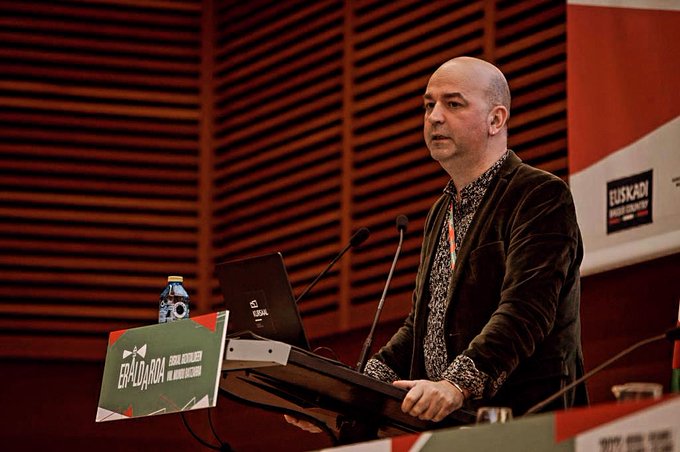

Invited talk at VIII World Congress of Basque Communities held by Basque Government, Presidency, External Affairs’ General Secretary in St Sebastian on 20th December 2023
This past week #Eraldaroa VIII World #Congress of Basque Communities was held by #BasqueGovernment, Presidency, External Affairs’ General Secretary, in #Donostia gathering delegati
 01 January, 2024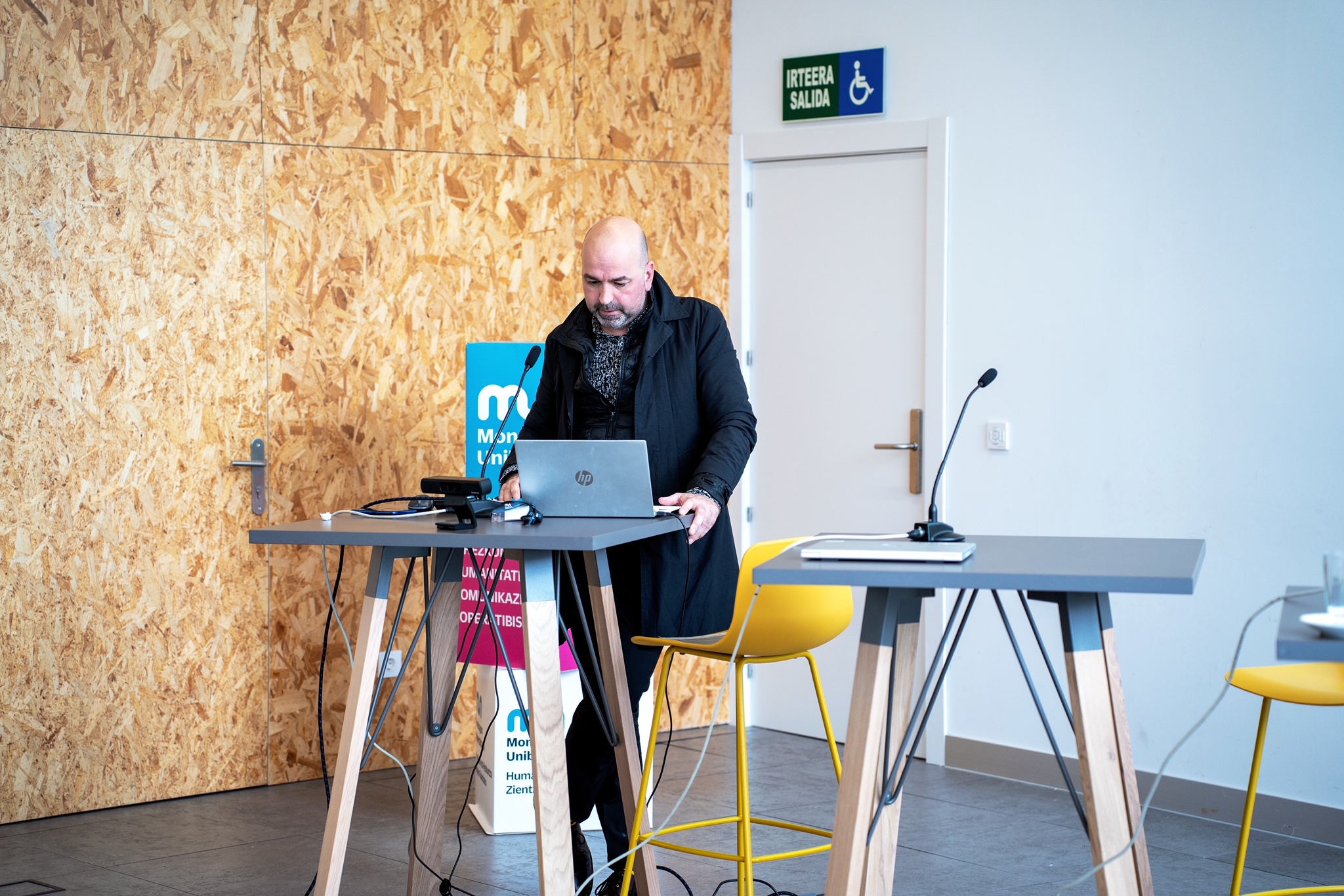

Invited talk at Mondragon University’s UniverCity Symposium around Welsh & Basque Cooperation on 14th December 2023
Thank to the grant funding achieved this year by the Learned Society of Wales to undertake ‘#Welsh & #Basque Cooperation’ #ActionResearch project, this week I prese
01 January, 2024

Published peer-reviewed article in the journal Globalizations (IF 2.5/CiteScore 4.7)
Here is the article’s full reference of the article (in press). To cite this article: Calzada, I. (2023), Blockchain-Driven Digital Nomadism in the Basque e-Diaspora. Globalization
11 October, 2023

Published peer-reviewed article in the journal Futures (IF 3.0/CiteScore 6.3)
Here is the article’s full reference to the link to Open Access. To cite this article: Calzada, I. (2023), Disruptive Technologies for e-Diasporas: Blockchain, DAOs, Data Coo
04 October, 2023


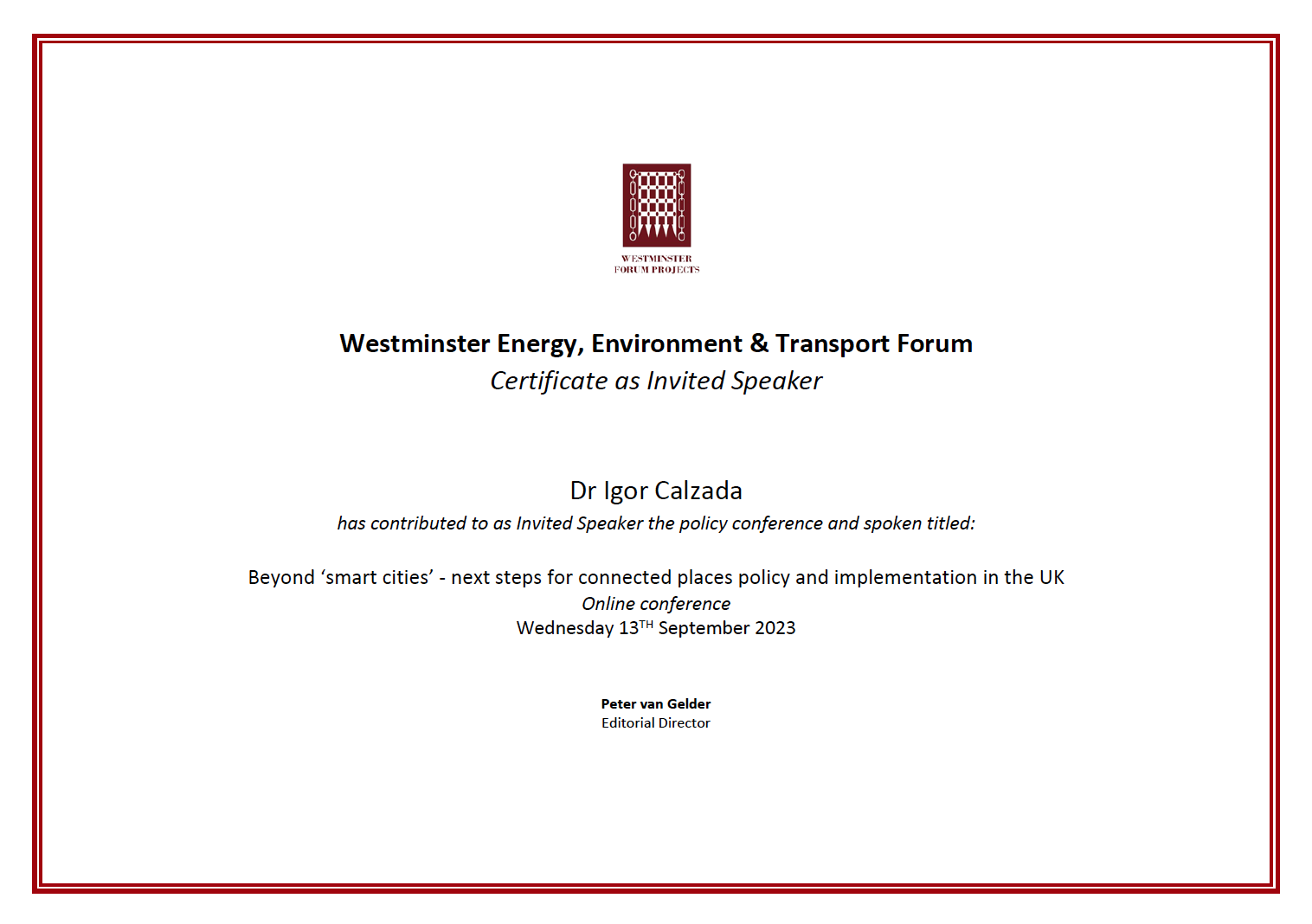

Invited Speaker at Westminster Energy, Environment & Transport Forum, 13th Sept., London (UK)
Dr Calzada participated in the event by addressing data governance issues to smart cities.
13 September, 2023

Invited Speaker at the University of Salamanca (Spain) on ‘Smart City Citizenship: AI from a Transdisciplinary Social Science Perspective’, 11th Sept., Salamanca (Spain)
Dr Calzada delivered an invited seminar with different scholars from Social Science: Economy, Finance, Corporate Governance, Sociology, Demography, and Marketing, among others.
11 September, 2023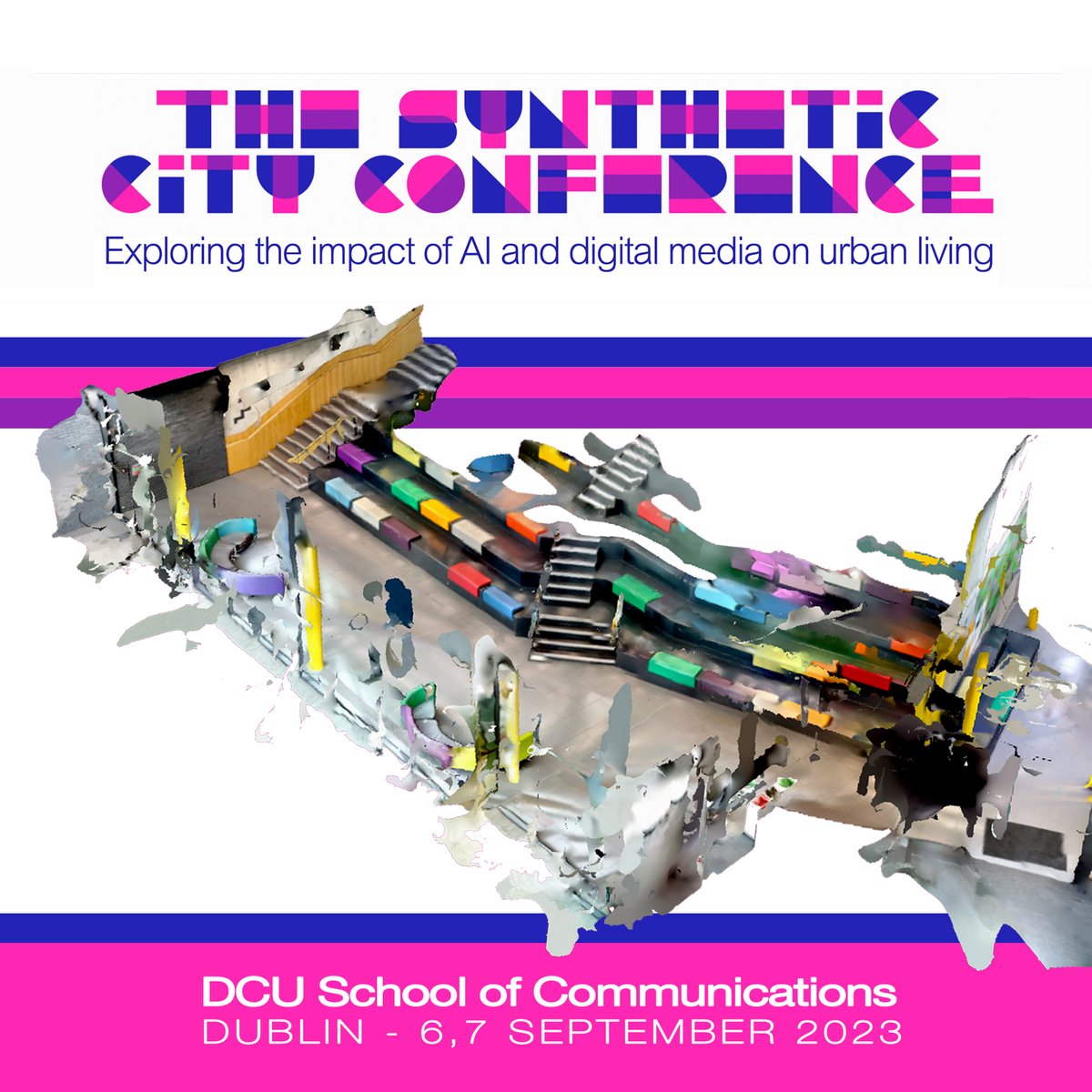

‘Towards an Algorithmic Nation? Dilemmas Around Synthetic Citizenship in Northern Ireland’ paper delivered at The Synthetic City: Potential, Politics, and Everyday Life Conference, 6-7 Sept. 2023, at Dublin City University (Ireland)
Towards an Algorithmic Nation? Dilemmas Around Synthetic Citizenship in Northern Ireland paper delivered at The Synthetic City: Potentials, Politics, and Everyday Life, Dublin (Ire
06 September, 2023

Invited Speaker at Stanford University, The Science of Blockchain Conference 2023 (SBC23)/ Stanford DAO Workshop, 31th August, Palo Alto – California (USA)
Dr Calzada participated in an invited speaker capacity at Stanford University, The Science of Blockchain Conference 2023 (SBC23)/ Stanford DAO Workshop, in Palo Alto, California, o
31 August, 2023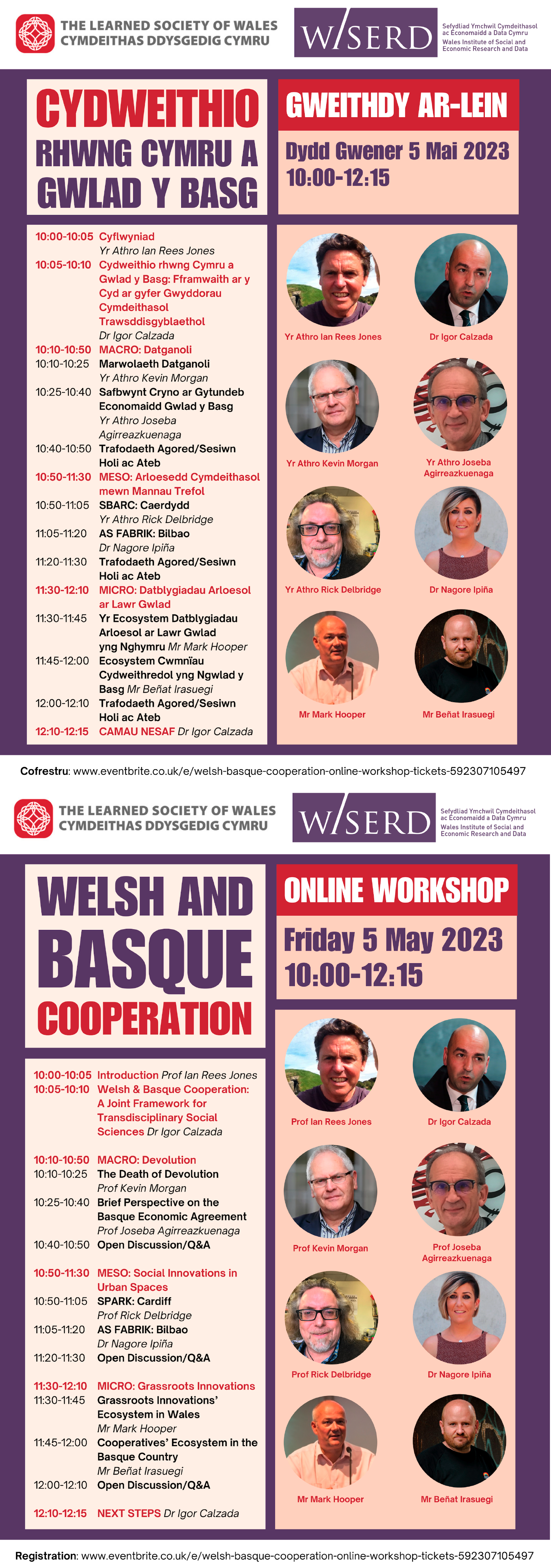


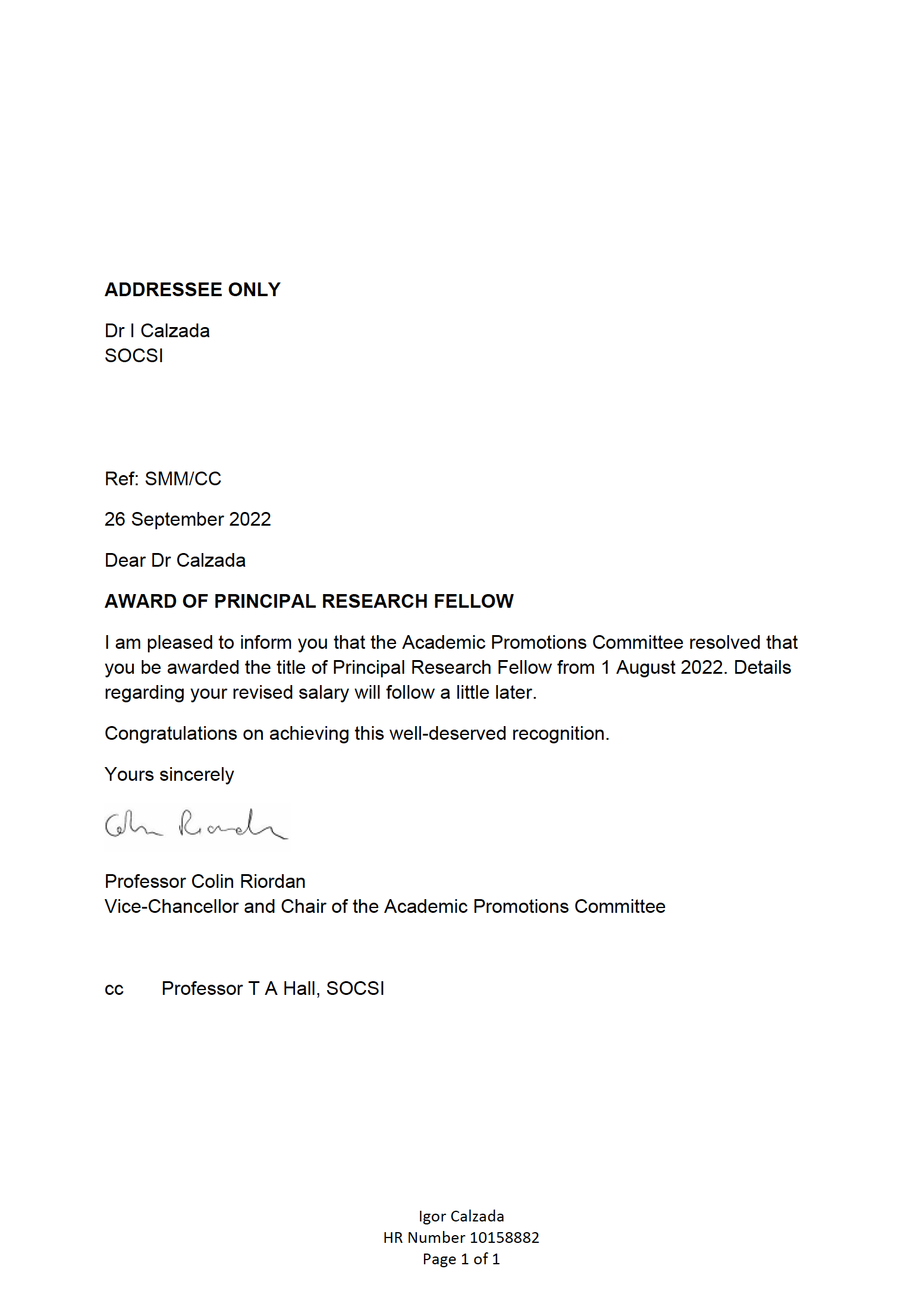

Promoted to Principal Research Fellow (Reader) academic position at Cardiff University
Dr Calzada has been promoted to Principal Research Fellow (Reader) academic position at Cardiff University (since August 2022)
26 September, 2022

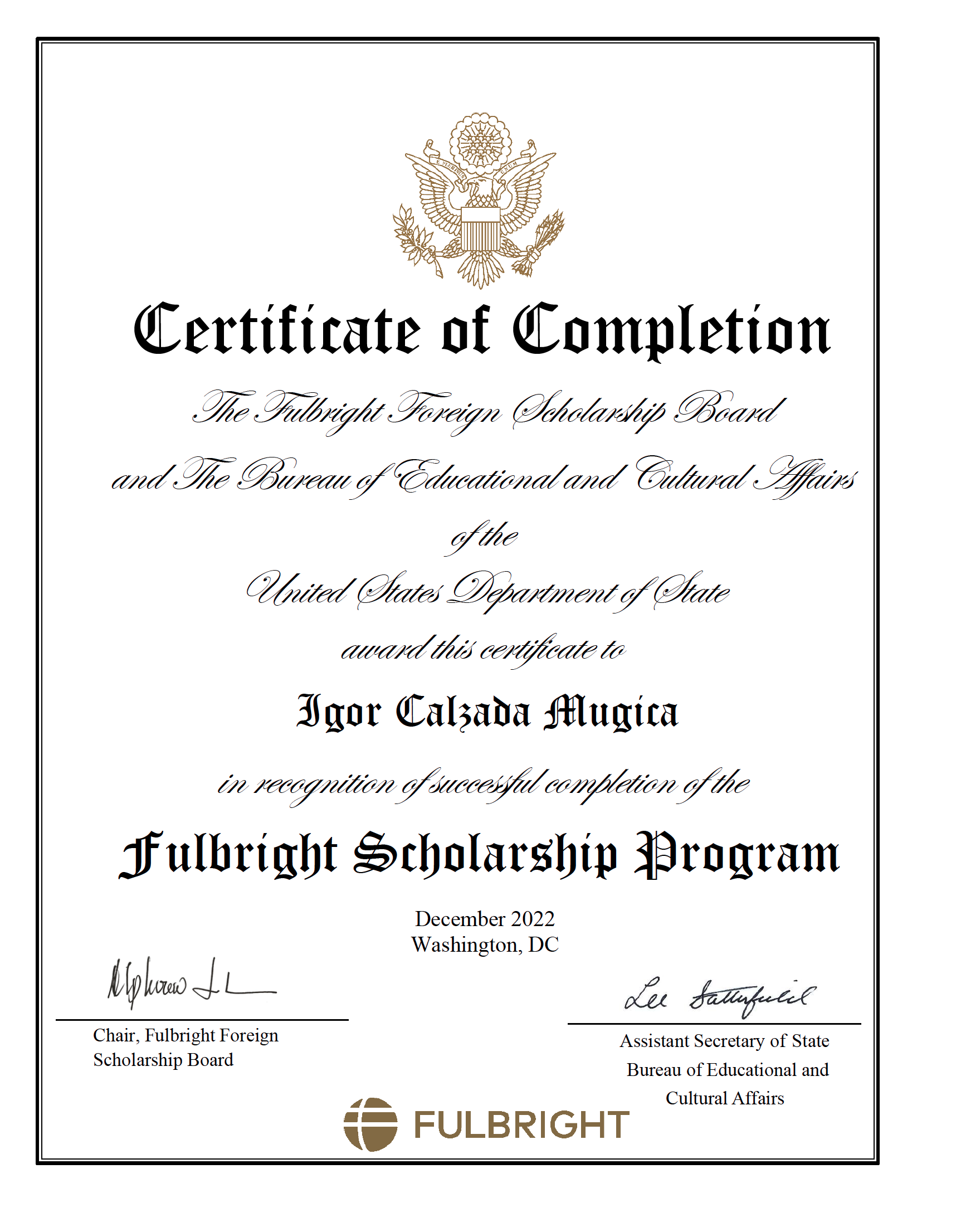
Fulbright Scholar-In-Residence 2022-2023 by US-UK Fulbright Commission
Dr Igor Calzada has been awarded a Fulbright Scholar-in-Residence (SIR) at California State University, Bakersfield (CSUB) for the 2022-2023 academic year by the U.S. Department of
20 April, 2022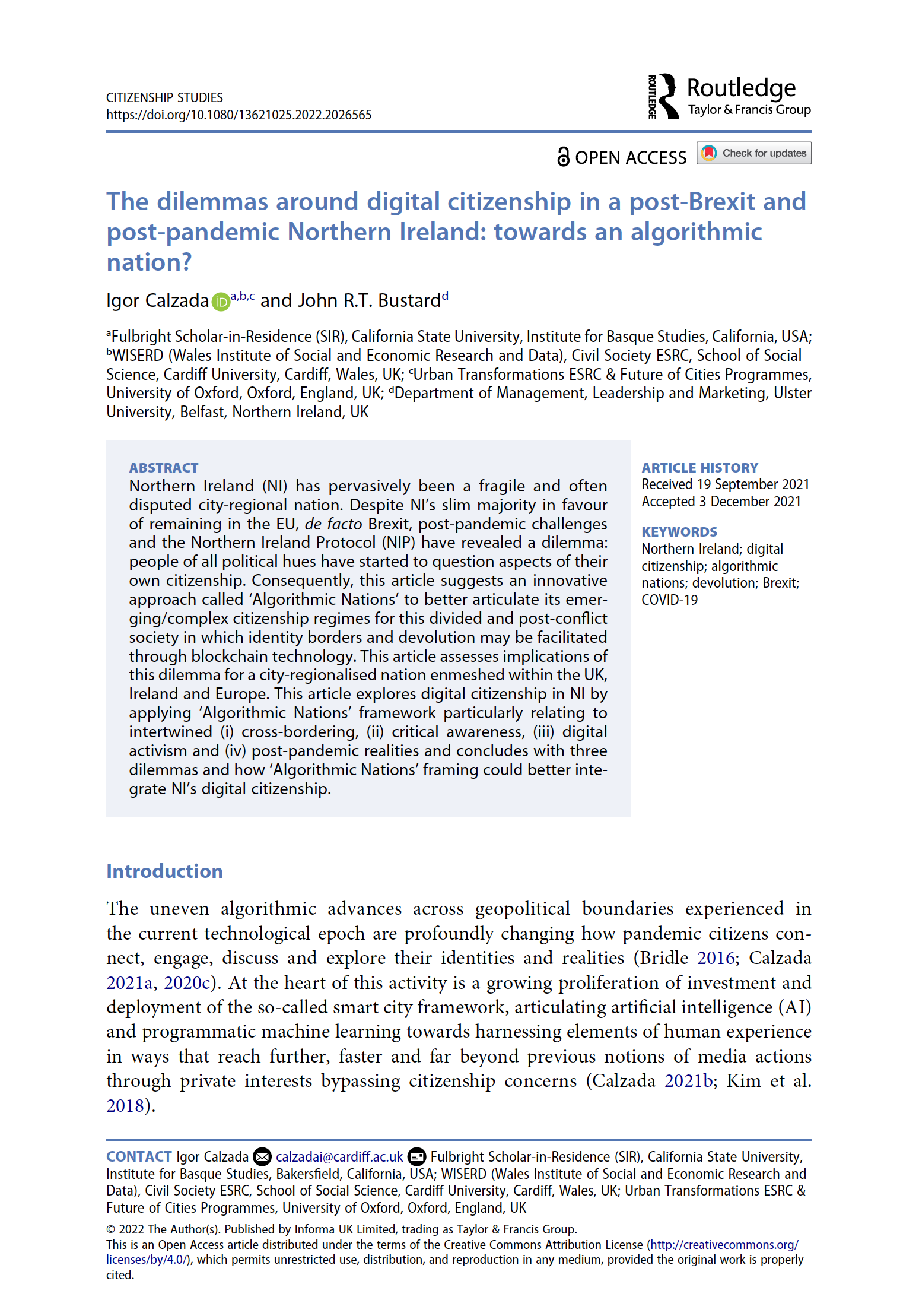

Article entitled ‘ The Dilemmas Around Digital Citizenship in a Post-Brexit and Post-Pandemic Northern Ireland: Towards an Algorithmic Nation?’ published in the journal Citizenship Studies
To cite this article: Calzada, I. & Bustard, J. (2022), The Dilemmas Around Digital Citizenship in a Post-Brexit and Post-Pandemic Northern Ireland: Towards an Algorithmic Nati
24 February, 2022

Article entitled ‘Emerging Digital Citizenship Regimes: Pandemic, Algorithmic, Liquid, Metropolitan, and Stateless Citizenships’ published in the journal Citizenship Studies
To cite this article: Calzada, I. (2021), Emerging Digital Citizenship Regimes: Pandemic, Algorithmic, Liquid, Metropolitan, and Stateless Citizenships. Citizenship Studies 25(6-8)
13 January, 2022
100 Most Influencial Academics in Government Apolitical List
Honoured having been listed among 100 Most Influencial Academics in Government according to Apolitical.
20 December, 2021

Article entitled ‘People-Centered Smart Cities: An Exploratory Action Research on the Cities’ Coalition for Digital Rights’ published in the Journal of Urban Affairs
To cite this article: Calzada, I., Pérez-Batlle, M., & Batlle-Montserrat, J. (2021), People-Centered Smart Cities: An Exploratory Action Research on the Cities’ Coalition for D
22 November, 2021

Call for Papers, Research Topic/Special Issue: Postpandemic Technopolitical Democracies, Frontiers in Political Science, Politics of Technology (Editor)
About this Research Topic Submission Deadlines 03 February 2022 Abstract 03 April 2022 COVID-19 has hit citizens dramatically, not only creating a general risk-driven environment e
15 November, 2021


Invited panelist at ‘Cities, Human Mobility, and Digital Citizenship’ International Conference, New School University, (USA) (30/11/2021)
Here is the link to the event.
15 November, 2021

Teaching Seminar about ‘Data Co-operatives through Data Sovereignty: Towards Digital Foundational Economy?’, WISERD, Cardiff University (UK) (30/11/2021)
Presented by Igor Calzada This presentation is based on Dr Calzada’s recently published paper ‘Data Cooperatives through Data Sovereignty’* Highlights: 1. D
15 November, 2021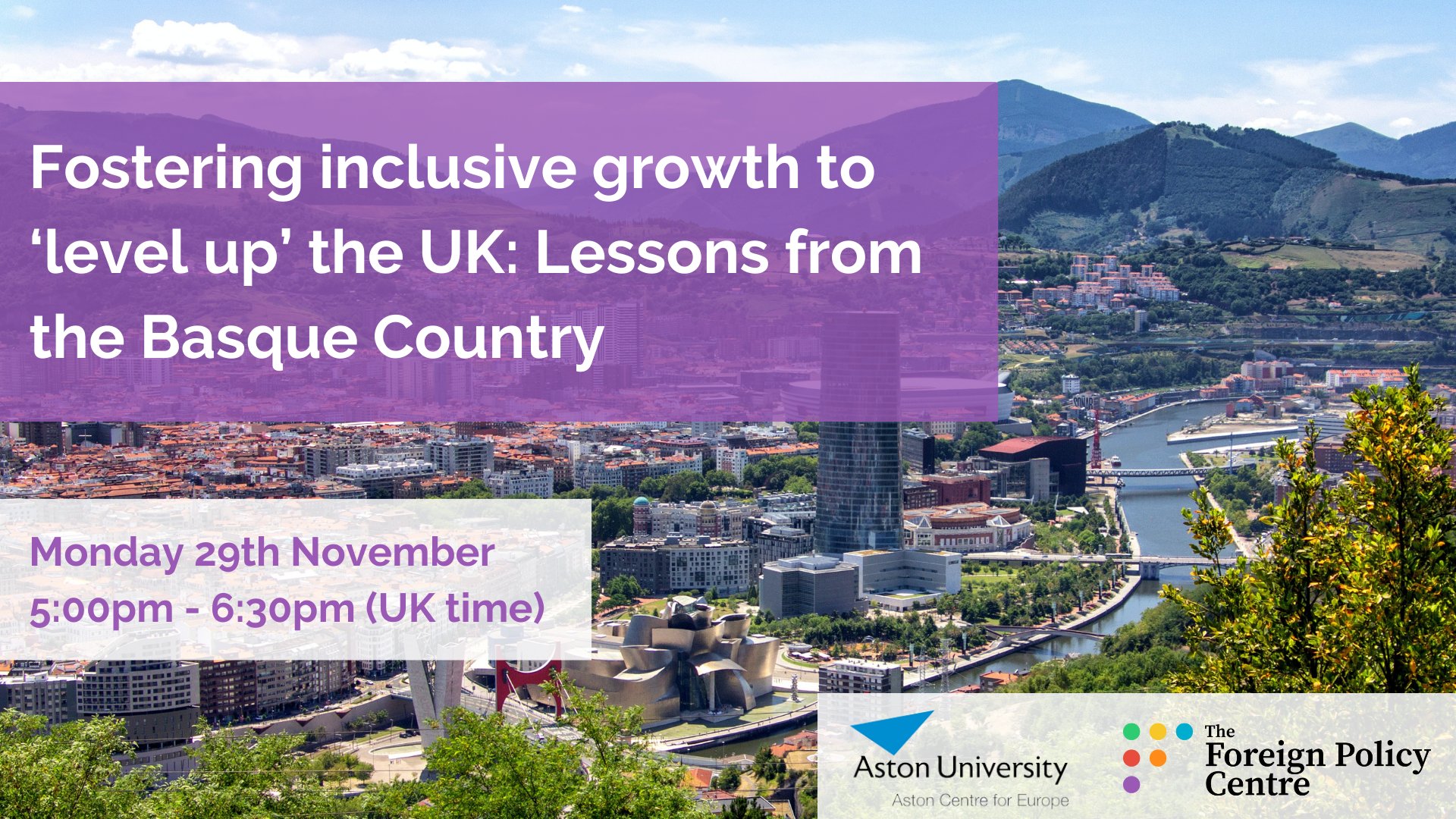
Invited speaker at ‘Fostering Inclusive Growth to “Level Up” the UK: Lessons from the Basque Country’, Aston Centre for Europe & Foreign Policy Centre, Aston University (UK) (29/11/2021)
Fostering inclusive growth to ‘level up’ the UK: Lessons from the Basque Country Speakers: Henriette Lyttle-Breukelaar, Director of Economic Strategy, Greater Birmingham & Soli
15 November, 2021
Article entitled ‘The Right to Have Digital Rights in Smart Cities’ published in the journal Sustainability
To cite this article: Calzada, I. (2021), The Right to Have Digital Rights in Smart Cities. Sustainability 13(20), 11438. DOI:10.3390/su132011438. Special Issue “Social Innova
16 October, 2021
Article entitled ‘Data Co-operatives through Data Sovereignty’ published in the journal Smart Cities
The article entitled ‘Data Co-operatives through Data Sovereignty’ published in the journal Smart Cities in Open Access. This article illustrates an open debate in data govern
05 September, 2021
Article entitled ‘Data Co-operatives in Pandemic Times’ published in the journal Public Seminar
This is article entitled ‘Data Co-operatives in Pandemic Times’ published in the journal Public Seminar in Open Access. This article suggests avoiding ‘co-op whitewashing,’: experi
14 April, 2021

Article entitled ‘Pandemic Citizenship: Will COVID-19 Reinforce Nation-States’ Borders and Liquify Citizens?’ published in the journal Academia Letters
The article entitled ‘Pandemic Citizenship: Will COVID-19 Reinforce Nation-States’ Borders and Liquify Citizens?’ published in the journal Academia Letters in Open Access. Th
13 April, 2021
Article entitled ‘Pandemic Citizenship Amidst Stateless Algorithmic Nations: Digital Rights and Technological Sovereignty’ published through Coppieters Foundation
The article entitled ‘Pandemic Citizenship Amidst Stateless Algorithmic Nations: Digital Rights and Technological Sovereignty at Stake’ published via Coppieters Foundation in Open
31 March, 2021

Article entitled ‘Book Review: Smart City Citizenship’ published in the Journal of Contemporary Urban Affairs
The article entitled ‘Book Review: Smart City Citizenship’ published in the Journal of Contemporary Urban Affairs in Open Access. To cite this article: Calzada, I. (2021), Book Rev
21 January, 2021

‘Smart City Citizenship’ book released by ELSEVIER on 25th October 2020
The book 'Smart City Citizenship' will be released and launched by Elsevier on 1st November 2020.
25 October, 2020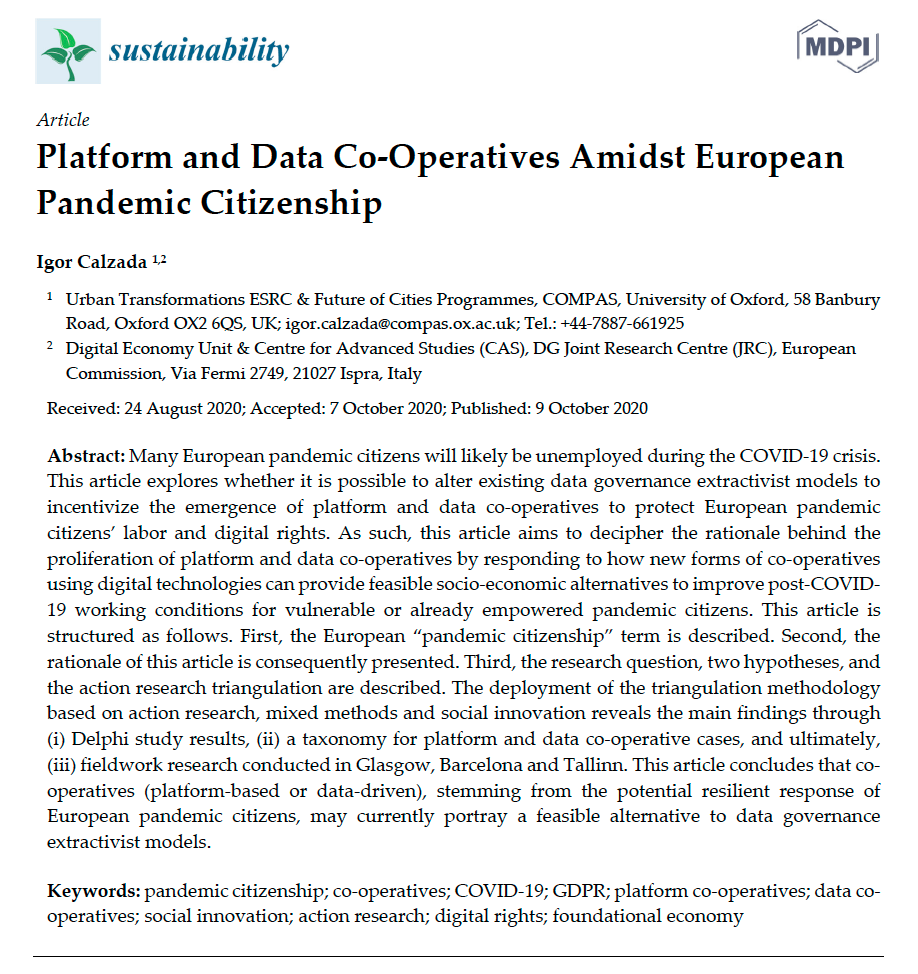

Article entitled ‘Platform and Data Co-operatives Amidst European Pandemic Citizenship’ published in the journal Sustainability
The article entitled 'Platform and Data Co-operatives Amidst European Pandemic Citizenship' published in the journal Sustainability in Open Access.
09 October, 2020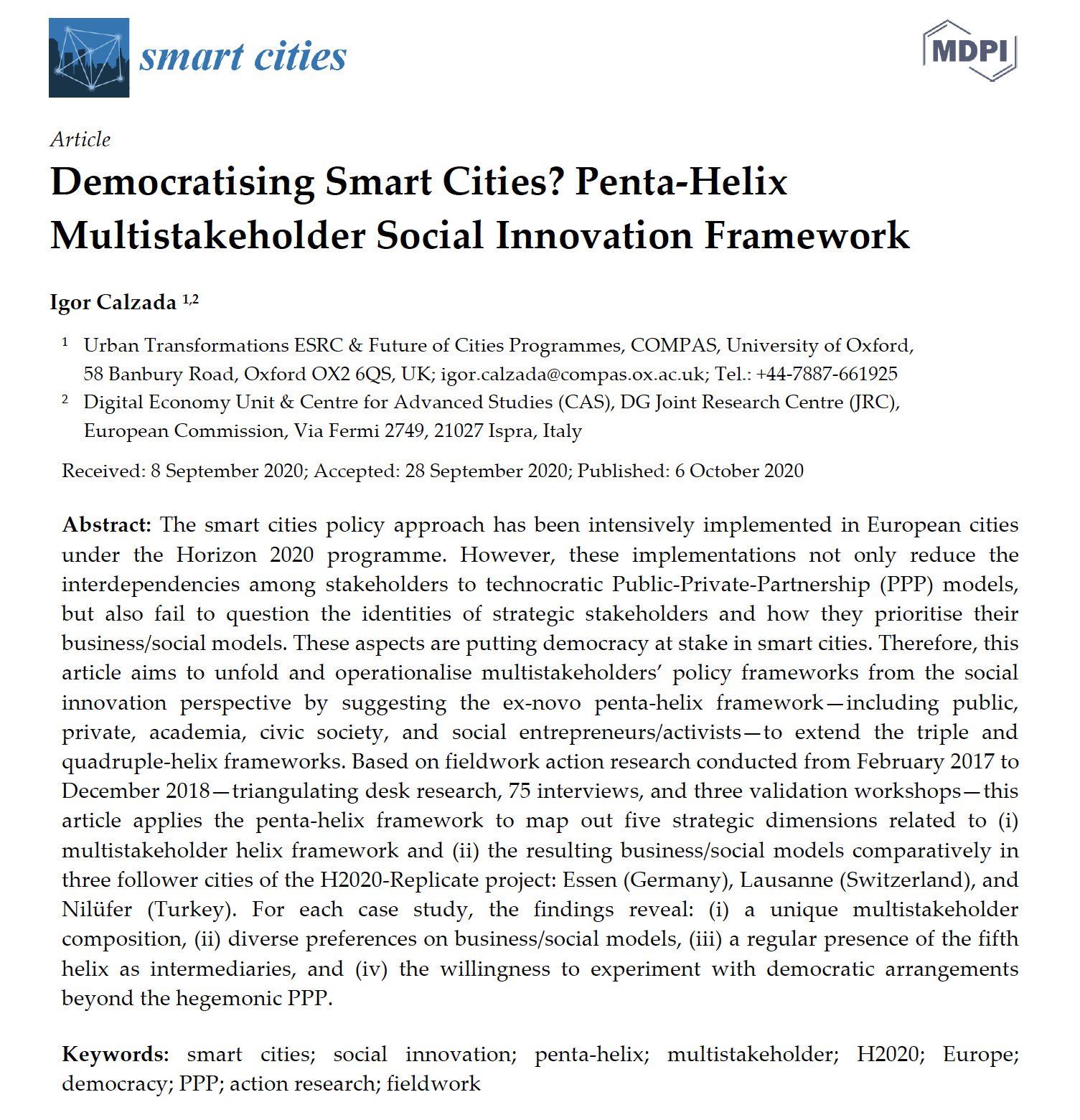

Article entitled ‘Democratising Smart Cities? Penta-Helix Multistakeholder Social Innovation Framework’ published in the journal Smart Cities
Article entitled ‘Democratising Smart Cities? Penta-Helix Multistakeholder Social Innovation Framework’ published in the journal Smart Cities
06 October, 2020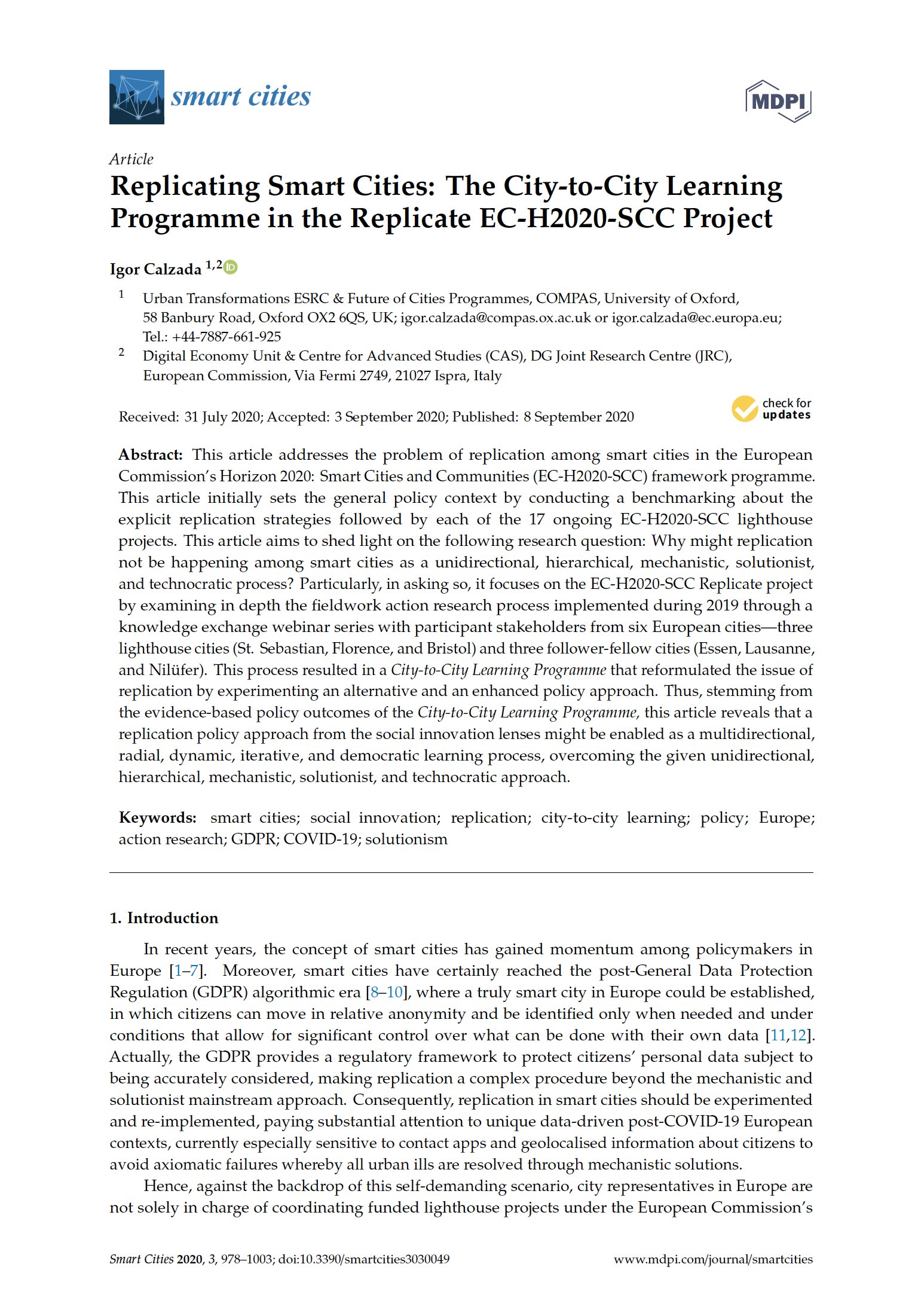
Article entitled ‘Replicating Smart Cities: The City-to-City Learning Programme in the Replicate EC-H2020-SCC Project’ published in the journal Smart Cities
Article entitled 'Replicating Smart Cities: The City-to-City Learning Programme in the Replicate EC-H2020-SCC Project' published in Smart Cities journal
08 September, 2020

‘COVID-19 + Brexit’ article in the newspaper Berria (a newspaper in Basque language)
The article examines the scientific interrelation between COVID-19 and post-Brexit scenario.
05 August, 2020

Article entitled ‘Algorithmic Governance & AI in the Post COVID-19 Society’ published in the journal GALDE
The article and the 29 Volume of the journal Galde will be published online by 7th July 2020 here. To cite this article: Calzada, I. (2020), Algorithmic Governance & AI in the
28 June, 2020

Dissemination article entitled ‘Europe need a revolution in the administration’ about TGPPP journal article
Dr Igor Calzada has been the co-authored of the article published in www.dobetter.ESADE.edu in collaboration with Dr Esteve Almirall. Here there is the link to the article. To cite
28 June, 2020
‘Techno Politics’: new article published in the dissemination site of the domain .EUS
This article remarks the importance of the techno-political stance amidst the post COVID-19 world geopolitics for the domain .EUS, representing the wide global Basque community.
28 May, 2020

Forthcoming chapter in the ‘Handbook on the Changing Geographies of the State: New Spaces of Geopolitics’ by Edward Elgar
Dr Calzada has contributed to the Handbook on the Changing Geographies of the State: New Spaces of Geopolitics.
25 May, 2020

Dr Calzada co-authoring the CAS – Centre for Advanced Studies brochure from the JRC at the EC
Dr Calzada cited in the CAS brochure, published by the EC DG JRC.
25 May, 2020

Dr Calzada appointed Editorial Advisory Board member of the journal Transforming Government: People, Process and Policy (TGPPP)
Since 2020, Dr Calzada serves as editorial advisory board member of the journal TGPPP.
25 May, 2020

Article entitled ‘Setting Up the Basque Algorithmic Nation: Technological Sovereignty Amidst the Post-COVID-19 Society’ being published in the portal TM eLab
Dr Calzada has contributed to a city-regional reflection in the Basque Country through the first issue launched by TM eLab (Telesforo Monzon eLab) to address the technological sove
15 April, 2020

‘Transforming Tourism: Regional Perspectives on a Global Phenomenon’ publication out in open access edited by Coppieters & Ezkerraberri Foundations
Dr Calzada contributes to the publication 'Transforming Tourism: Regional Perspectives on a Global Phenomenon'.
10 April, 2020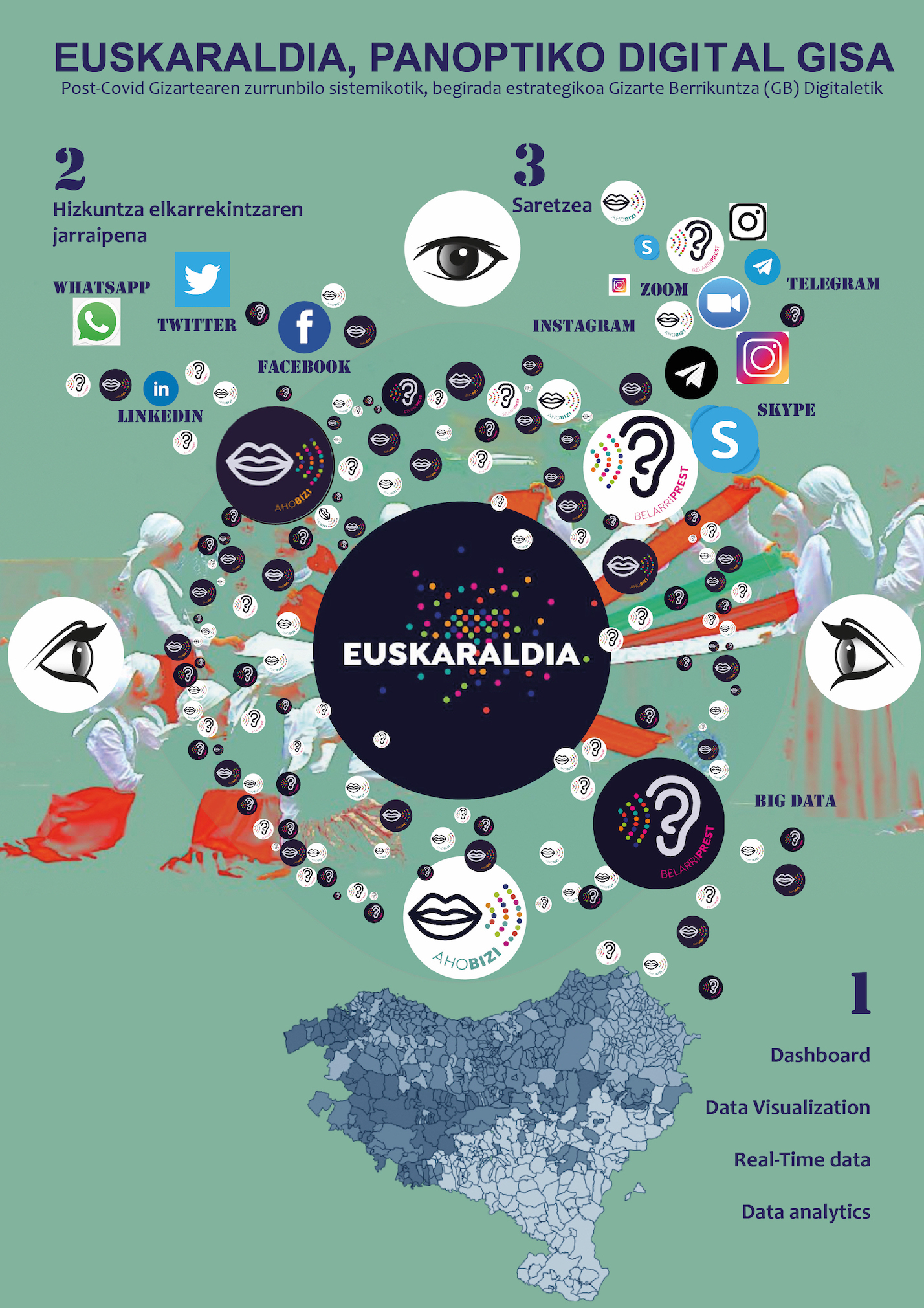

Article entitled ‘The Role of Social Movements in the Social Innovation (SI): Euskaraldia, as a Digital Panopticon’ being published in the journal BAT in press by 13th July 2020
Dr Calzada's article entitled 'The Role of Social Movements in the Social Innovation (SI): Euskaraldia, as a Digital Panopticon' being published in the journal BAT.
08 April, 2020
Article entitled ‘Data Ecosystems for Protecting European Citizens’ Digital Rights’ published in the journal Transforming Government: People, Process and Policy (TGPPP)
Dr Calzada, has led and co-authored the article entitled 'Data Ecosystems for Protecting European Citizens' Digital Rights' in the journal TGPPP.
23 March, 2020

‘Will COVIDー19 be the end of theGlobal Citizen?’ article published in Apolitical
Dr Calzada has published in Apolitical the article entitled 'Will COVID-19 be the end of the Global Citizen?'
19 March, 2020

‘Irlanda, gure bihotzean’ (Ireland, in our heart) opinion article in the newspaper Berria (a newspaper in Basque language)
This article examines the General Elections 2020 outcome in Ireland and analyses political potential effects on issues such as reunification and the Unity Referendum, among others.
08 March, 2020

Analysis on the consequences of Brexit for the Basque Country in Euskalerria Irratia Radio (Spain) (21/04/2019)
After the clear outcome of the General Elections in December 2019, Dr Calzada, as an academic of the University of Oxford, gave a brief analysis of the social context after the eff
22 February, 2020

Book review ‘Smart City Barcelona’ forthcoming in the International Journal of Iberian Studies (IJIS)
Dr Calzada has reviewed the book 'Smart City Barcelona' for the International Journal of Iberian Studies (IJIS).
25 January, 2020

Accepted paper in the Data Justice Lab 2020 Conference at Cardiff University (UK) (28-29/05/2020, Cardiff, UK)
The paper by Dr Calzada entitled 'Data and Platform Co-operatives amidst the European Algorithmic and Liquid Citizenship' has been accepted in Data Justice Lab 2020 Conference at C
25 January, 2020

Invited speaker at ‘Building Smart Cities with Citizens and for the Commonweal: A Symposium’ Conference at Heseltine Institute for Public Policy, Practice and Place, University of Liverpool (09/03/2020)
Dr Calzada participates at the Conference entitled 'Governing the Smart City Progressively' at the University of Liverpool, invited by Heseltine Institute for Public Policy, Practi
05 January, 2020

Invited lecturer at ‘Humanities & Social Sciences Oxford International Winter Course 2020’, St Antony’s College, University of Oxford (UK) (10-11/02/2020)
Dr Calzada lectures the Oxford International's Humanities and Social Sciences Winter Course 2020 at the University of Oxford's St Antony's College.
05 January, 2020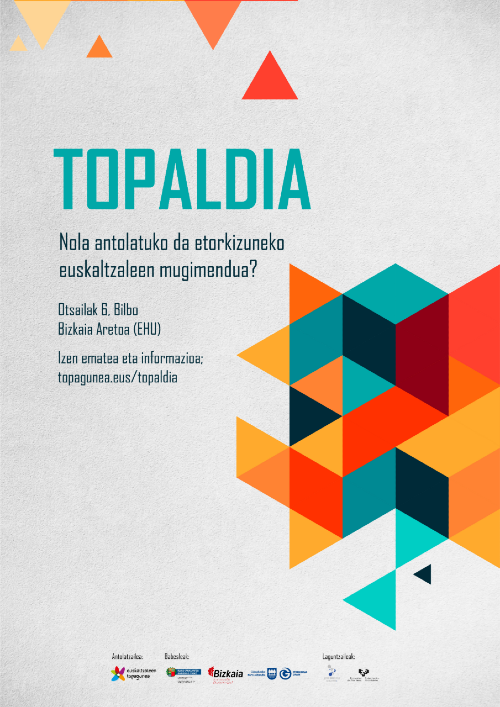
Invited keynote speaker in Topaldia 2020, Bilbao (Spain) (6/02/2020)
Dr Igor Calzada participates as invited keynote speaker at Topaldia event organised by the social movements of the Basque Country working to foster the use of the Basque language i
05 January, 2020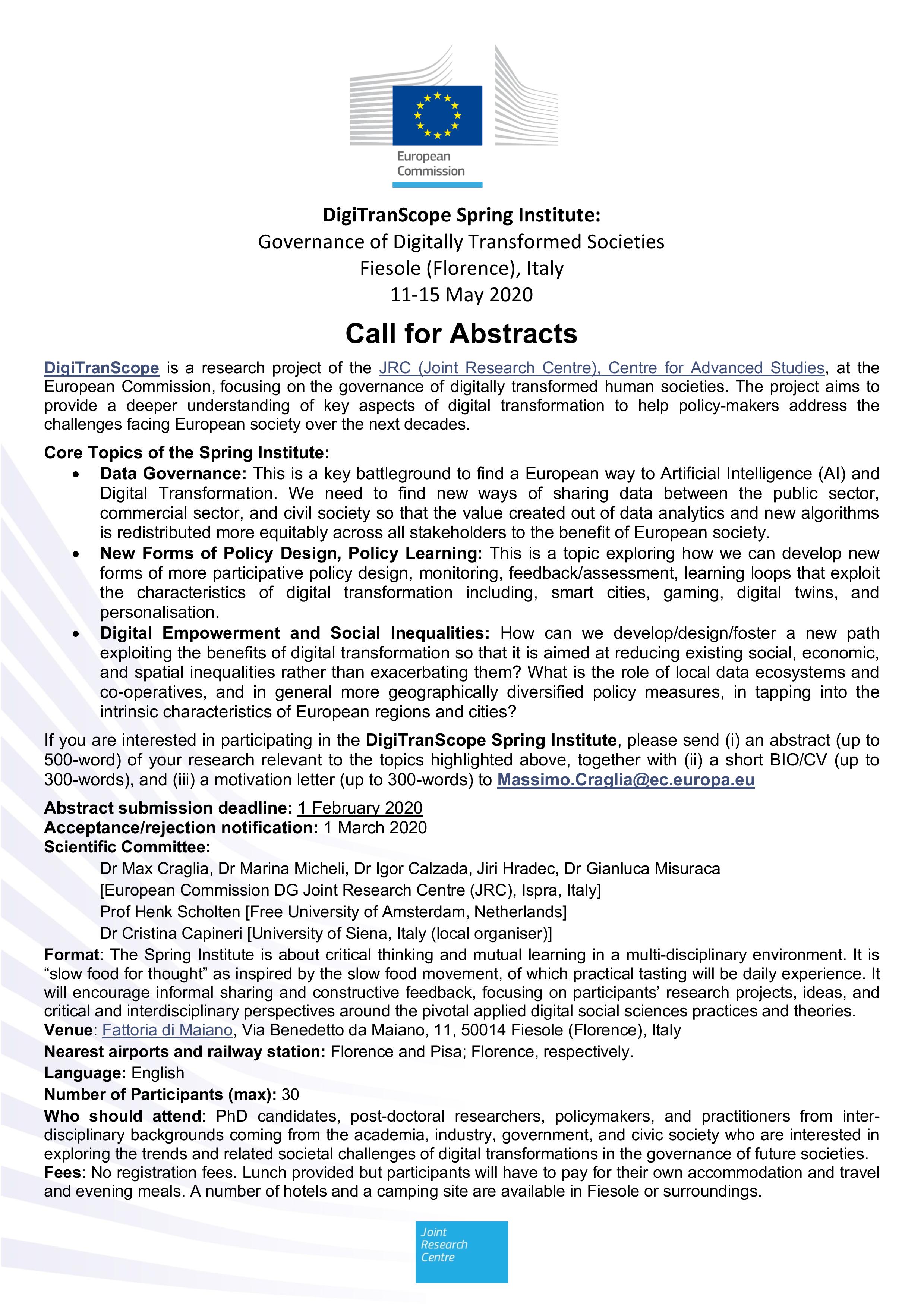
Call for Abstracts (CfA): DigiTranScope Spring Institute 2020 (Italy) (11-15/05/2020)
Call for Abstracts: DigiTranScope Spring Institute 2020 (11-15 May)
03 January, 2020

Analysis on the consequences of Brexit for the Basque Country in the Basque TV (Spain) (28/12/2019)
2019 UK General Elections' outcome and Brexit aftermath in the Basque TV.
03 January, 2020
Invited guest speaker by the King’s College London (KCL) for the panel ‘Life at the edge of nations: Hong Kong, Kashmir, Catalonia’ in London (UK) (14/11/2019)
Dr Igor Calzada was invited by the King's College by participating in the panel entitled 'Life at the edge of nations: Hong Kong, Kashmir, Catalonia'.
21 November, 2019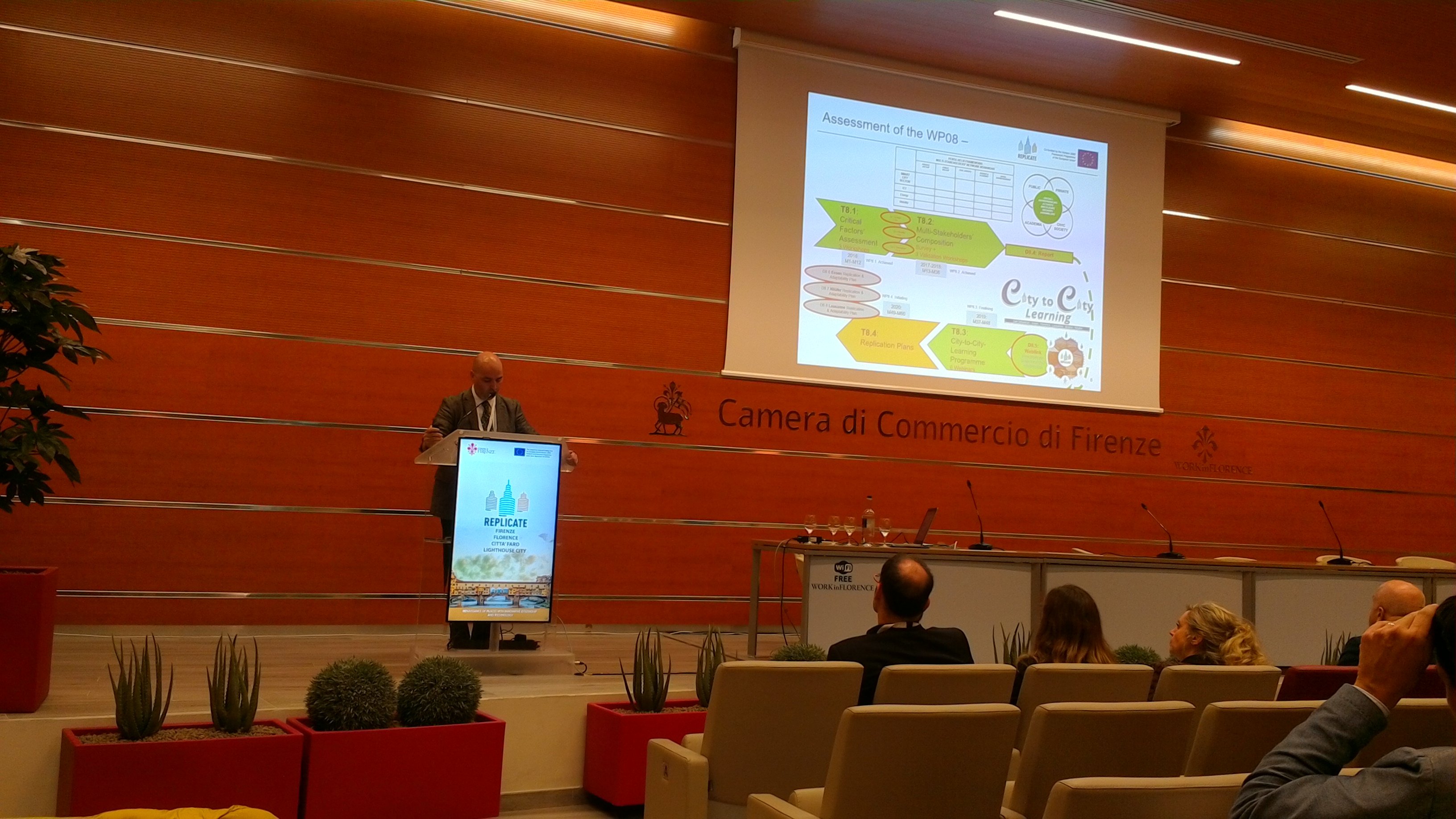
Co-leading ‘Review Meeting & General Assembly’ of the EU-H2020-Replicate-Smart Cities and Communities (SCC) in Florence (Italy) (28-31/10/2019)
Dr Calzada co-leads the WP8 Replication by presenting preliminary findings on multistakeholders framework and 'City-to-City-Learning' Programme coordinated for the whole 2019.
01 November, 2019
Participating in the ‘Workshop on Public Policy, Cities and the State’ co-organised by the UPF (Barcelona) & SciencesPo (Paris) in Barcelona (26-27/09/2019)
Dr Igor Calzada participates on 26th and 27th September 2019 in Barcelona on the 'Workshop on Public Policy, Cities and the State'.
20 September, 2019

‘Brexit: erraietatik’ (Brexit: from inside, from the guts) opinion article in the newspaper Berria (a newspaper in Basque language)
The article revolves around the volatile Brexit context by giving several insights referring to the democratic dysfunctional nature of it.
19 September, 2019

Co-directing the Summer School ‘Smart Rural Communities’ on 12-13 September 2019 in St. Sebastian (Spain)
Dr Calzada co-directed the Summer School 'Smart Rural Communities' that aims to experiment a new international development model based on the SDGs.
12 September, 2019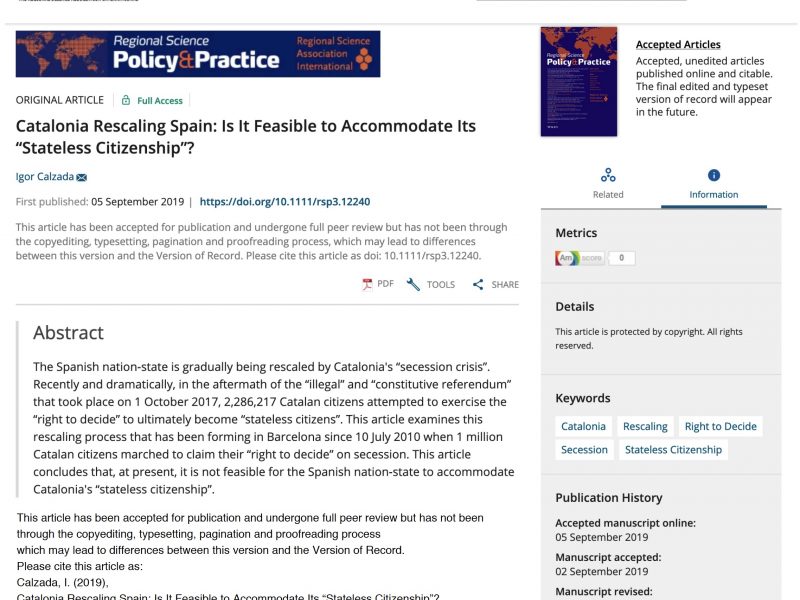
‘Catalonia Rescaling Spain: Is It Feasible to Accommodate Its “Stateless Citizenship”?’ article has been published in the journal Regional Science Policy & Practice
The article entitled ‘Catalonia Rescaling Spain: Is It Feasible to Accommodate Its "Stateless Citizenship"?' has been published in Regional Science, Policy & Practice journal.
07 September, 2019

Publication in RSA Journal: ‘Data Spaces and Democracy’
The RSA Journal publishes the article of Dr Calzada entitled 'Data Spaces and Democracy'.
31 August, 2019
Lecturing on the 2019 Summer Humanities and Social Sciences Course at the University of Oxford
Dr Calzada lectures on the 2019 Summer Humanities and Social Sciences Course at the University of Oxford at St. Anthony's College on Smart Cities and Experimental Cities.
13 August, 2019
Publication in Regions eZine: ‘Technological Sovereignty: Protecting Citizens’ Digital Rights in the AI-driven and post-GDPR Algorithmic and City-Regional European Realm’
Dr Igor Calzada contributes to the 4th issue of Regions eZine with a piece of research blending techno-political and city-regional assemblages.
01 June, 2019
Accepted paper on the International Symposium ‘Cities Against Nationalism?’ at University of Kent (18/06/2019, UK)
Dr Calzada presents his accepted paper in the International Symposium: Cities Against Nationalism? held by the University of Kent (UK).
29 May, 2019

Invited paper on the International Symposium ‘City and Nation: Changing Relations, New Perspectives in Urban and Cultural Studies’ at University of Bristol (13/06/2019, UK)
Dr Calzada presents his invited paper in the International Symposium: City and Nation held by the University of Bristol (UK).
28 May, 2019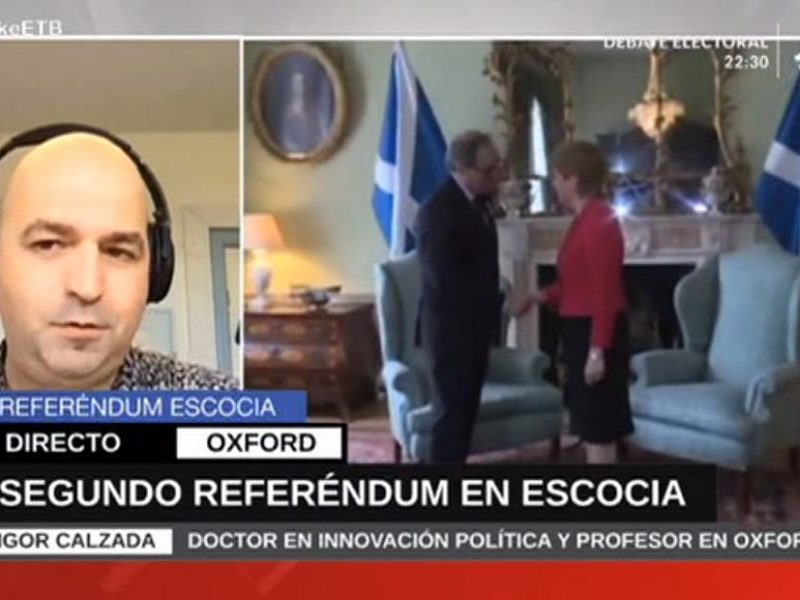
Media interview in the Basque TV regarding the second Scottish independence announcement by the Scottish FM, Nicola Sturgeon
Dr Calzada was kindly interviewed by the Basque Public TV (Euskal Telebista), regarding the recent Scottish independence announcement by 2012 made by the Scottish First Minister, N
25 April, 2019

‘Seeing Tourism Transformations in Europe through Algorithmic, Techno-Political and City-Regional Lenses’ book chapter is forthcoming via Coppieters Foundation
Dr Calzada has contributed to the volume on tourism as a result of the symposium that took place at the University of Deusto in May 2018. The publication is forthcoming in June 201
17 April, 2019
Accepted paper at the Data for Policy 2019 International Conference in the UCL-London (10-12/06/2019, UK)
Dr Igor Calzada will participate in co-authorship with Dr Esteve Almirall from the ESADE Business School in Barcelona in the Data for Policy 2019 conference.
15 April, 2019
Invited speaker in the 1st Chile Conference UK of Public Policy at Blavatnik School of Governance, University of Oxford (25/05/2019, UK)
Dr Igor Calzada will participate as speaker at the 1st Conference of Public Policy organised by students of the LSE, Oxford, and Cambridge on 24 and 25th May 2019.
15 April, 2019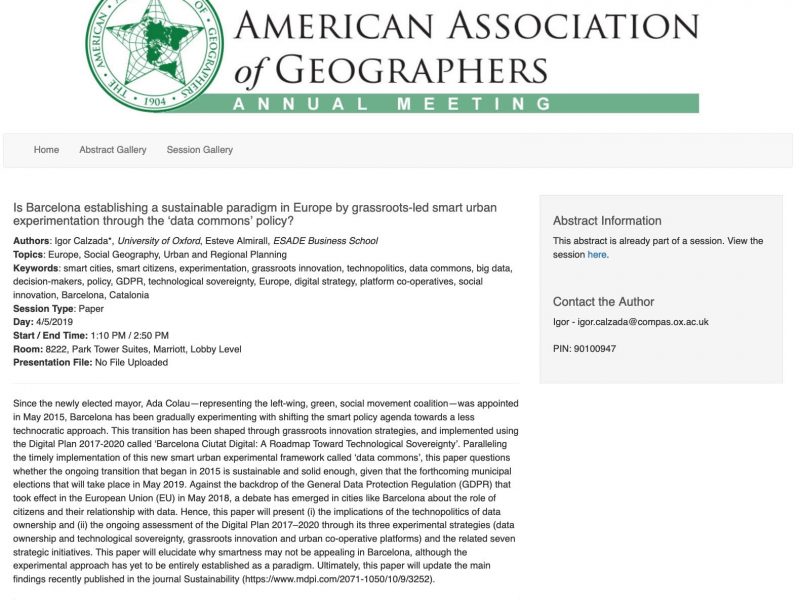
Participating at the American Association of Geographers Annual Meeting 2019 (#aagDC) as presenter and panelist in Washington DC (3-6/04/2019, USA)
Dr Igor Calzada participated in the American Association of Geographers Annual Meeting 2019 by presenting a co-authored paper and taking part as panelist.
15 April, 2019

Invited Expert by the European Commission at the DigiTranScope Workshop ‘Connecting Policy Developers and Decision Makers With the DigiTranScope Experiments’ in Ispra (28-29/03/2019, Italy)
In late March 2019, Dr Calzada was kindly invited by the European Commission - JRC Centre for Advanced Studies to be speaker in the workshop DigiTranScope.
15 April, 2019
Speaker in the European Smart Projects Summit H2020-SCC in San Sebastian (26-27/03/2019, Spain)
Dr Igor Calzada participated as an expert in the round table about Data Governance by presenting some updates about his research on data commons.
15 April, 2019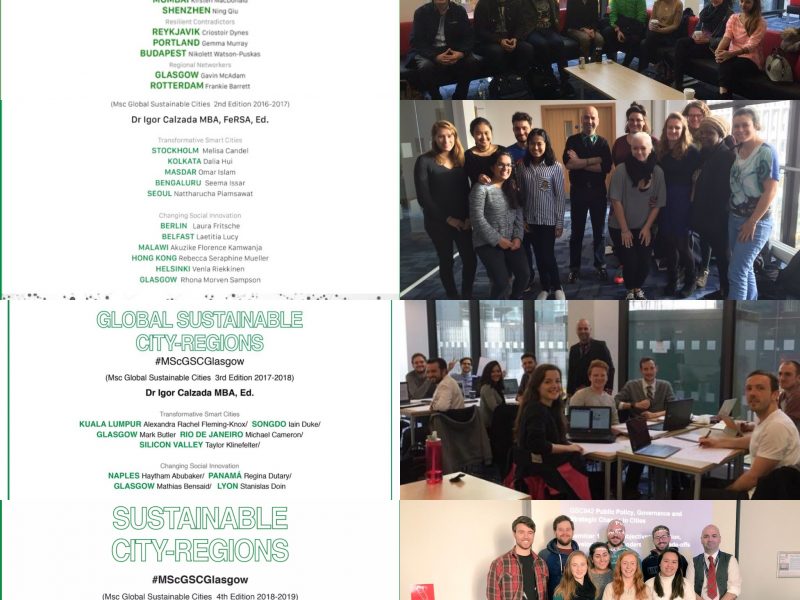
Summary of four lectureship editions in the MSc in Global Sustainable Cities at the University of Strathclyde: 2015-16, 2016-17, 2017-18, and 2018-19 in Glasgow, Scotland (UK)
Since 2015 onwards, Dr Calzada has continuously been a lecturer in the MSc Master in Global Sustainable Cities at the University of Strathclyde for four editions.
01 March, 2019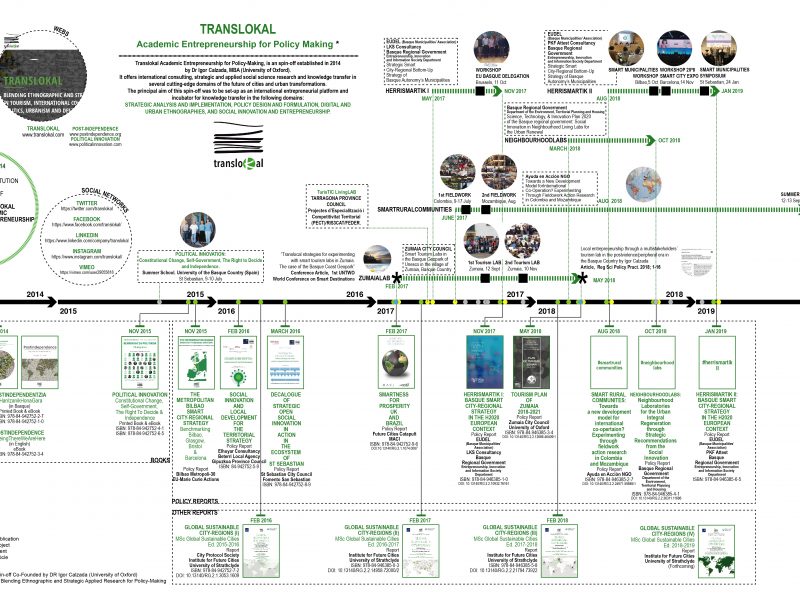
Co-founder of the spin-off Translokal (Academic Entrepreneurship for Policy Making): Portfolio 2014-2019
In 2014, Dr Calzada founded an spin-off called Translokal – Academic Entrepreneurship for Policy Making. Here the portfolio generated in the last five years: 2014-2019.
18 February, 2019

‘Deciphering Smart City Citizenship: The Techno-Politics of Data and Urban Co-operative Platforms’ article is forthcoming in the journal RIEV
The article entitled ‘Deciphering Smart City Citizenship: The Techno-Politics of Data and Urban Co-operative Platforms’ is forthcoming in RIEV journal by March 2019.
15 February, 2019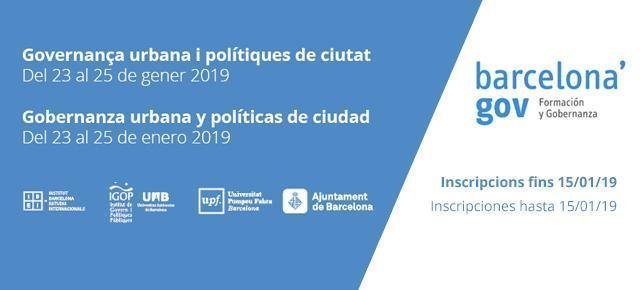

Urban Governance and City Policies Winter School 2019 at the Autonomous University of Barcelona (25/01/2019, Spain)
Dr Calzada participates in the Urban Governance and City Policies Winter School 2019 at the Autonomous University of Barcelona organised by Barcelona Gov.
23 January, 2019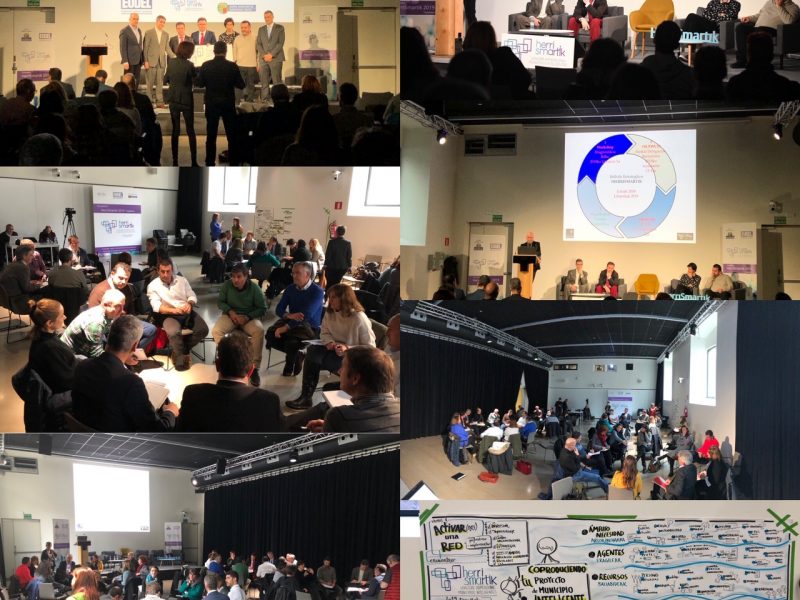
Smart Municipalities Symposium: #HerriSmartik Strategic Programme for the Basque Country Municipalities (24/01/2019, Spain)
On 24th January, Dr Calzada scientifically directed the strategy through conducting the Smart Municipalities Symposium from the programme #HerriSmartik.
23 January, 2019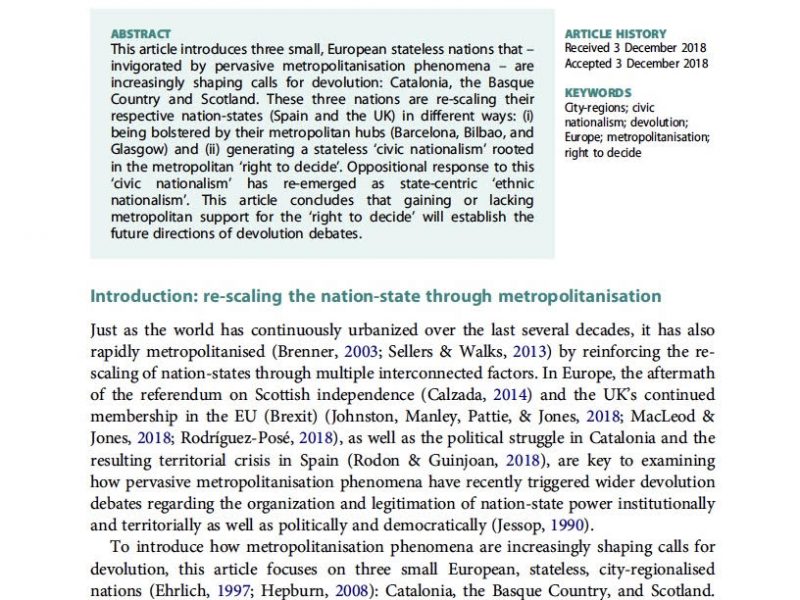
‘Metropolitanising small European stateless city-regionalised nations’ article has been published in the journal Space and Polity
The article entitled ‘Metropolitanising small European stateless city-regionalised nations’ has been published in the Space and Polity journal.
05 January, 2019
‘Future of Urban Living international consultation’ at the Windsor Castle, St George House (13-14/12/2018, UK)
Dr Igor Calzada will take part in 'The Future of Urban Living Consultation' that will take place in the Windsor Castle in St George House on 13-14 December 2018.
14 October, 2018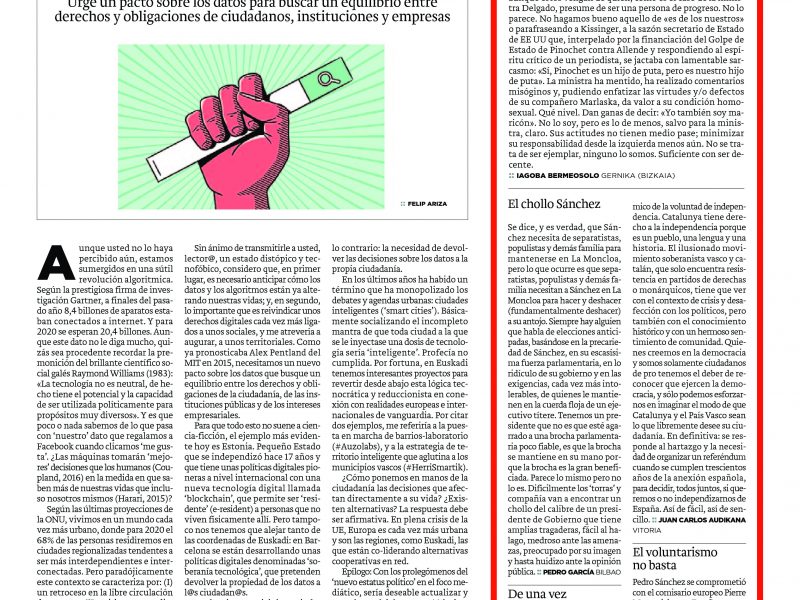
‘The Algorithmic Revolution’ article in the media El Correo in Spanish
Dr Calzada published the article entitled 'The Algorithmic Revolution' in the newspaper 'El Correo' in Spanish on September 30, 2018.
07 October, 2018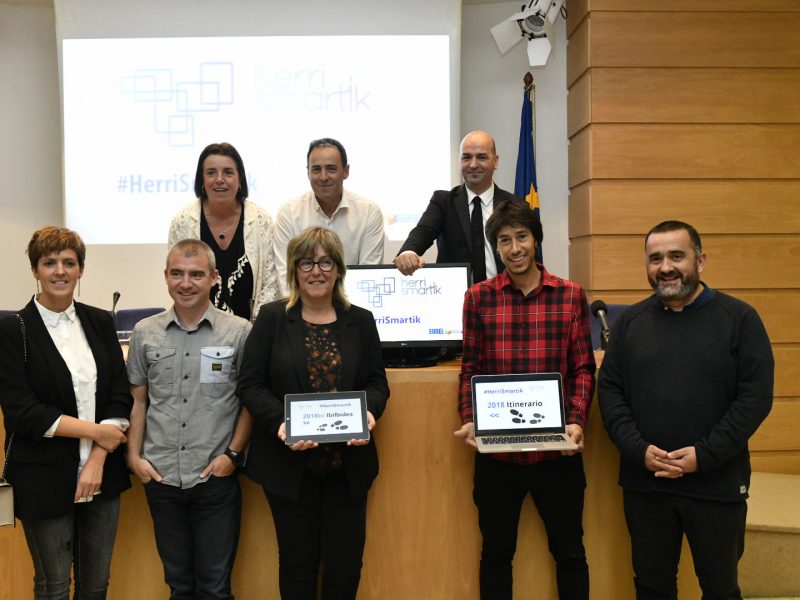
‘Smart Municipalities Workshop’ in Bilbao (05/10/2018, Basque Country/Spain)
On October 5, 2018, an strategic workshop took place in Bilbao, to define the Smart Municipalities' networked, evolution-guided and bottom-up strategy for the 252 municipalities en
07 October, 2018
‘(Smart) Citizen from Data Providers to Decision-Makers? The Case Study of Barcelona’ article has been published in the journal Sustainability MDPI
The article entitled ‘(Smart) Citizens from Data Providers to Decision-Makers? The Case Study of Barcelona’ has been published in Sustainability (MDPI) journal belonging to the Spe
12 September, 2018
‘Algorithmic Nations: Seeing Like a City-Regional and Techno-Political Conceptual Assemblage’ article has been published in the journal Regional Studies, Regional Science
The article entitled 'Algorithmic Nations: Seeing Like a City-Regional and Techno-Political Conceptual Assemblage' has been published in the Regional Studies, Regional Science jour
21 August, 2018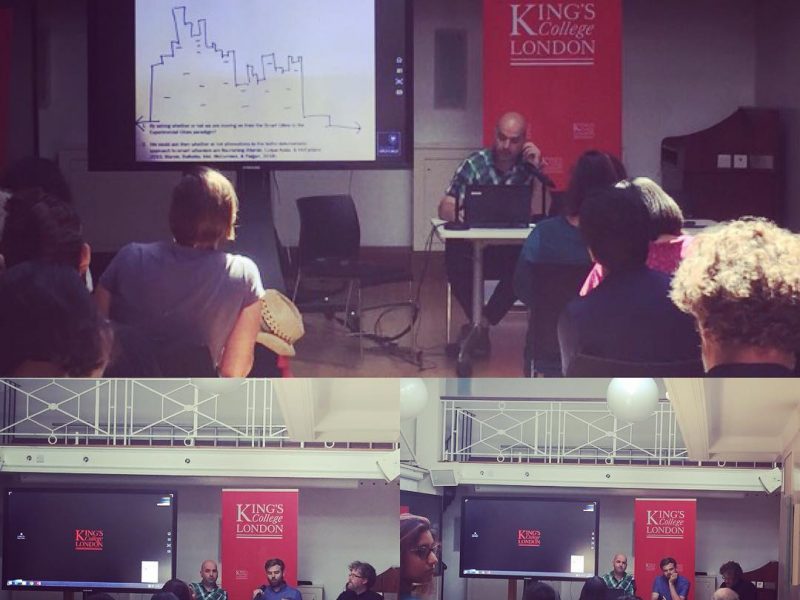
Participating at the Workshop ‘Big Data and Urban Governance on the Margins of the City’ funded by the British Academy in the King’s College London (02-03/08/2018, UK)
Dr Calzada participated in the worshop entitled 'Big Data and Urban Governance on the Margins of the City', which took place in the King's College London.
13 August, 2018
‘City-to-City-Learning’ Programme being led by Dr Calzada (UOxf) on H2020-Replicate-EU Lighthouse Smart Cities Project
'City-to-City-Learning' programme of Replicate project is being curated by Dr Calzada, as WP8 leader of the EU-H2020-Replicate project.
08 June, 2018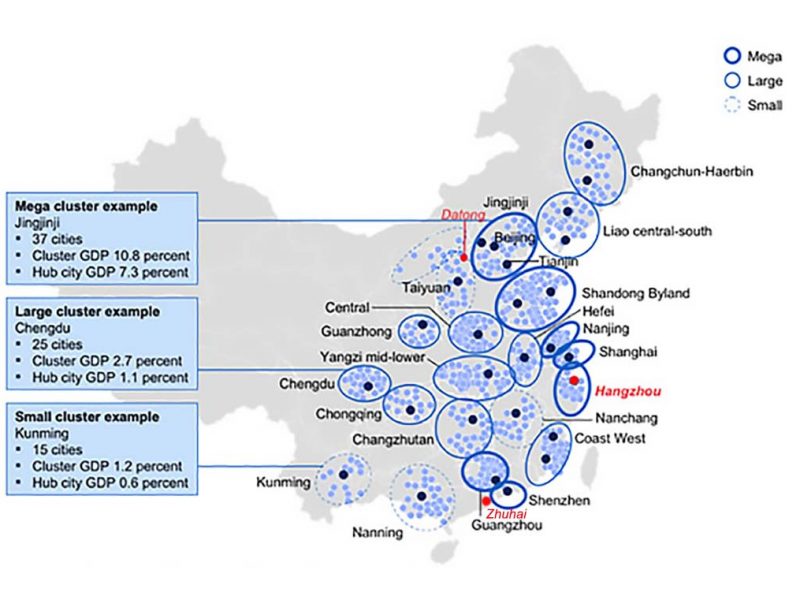
Participating as speaker at ‘Europe-China workshop on innovation and development of mega-city regions’ Workshop at the University of Oxford (10/10/2018, UK)
Dr Calzada will give a conference in the 'Europe-China workshop on innovation and development of mega-city regions' that will take place in Oxford on October 10, 2018.
05 June, 2018

Member of the Editorial Board of Smart Cities MDPI Open Access Journal
Dr Calzada has recently been appointed member of the Editorial Board of the open access journal 'Smart Cities' MDPI.
05 June, 2018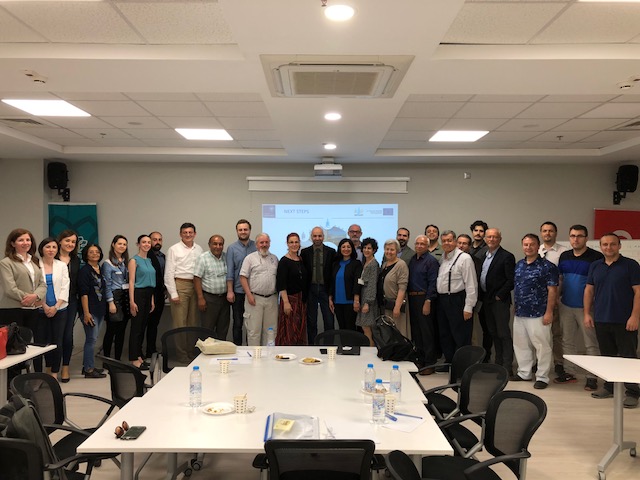

Replicate H2020-EU Lighthouse’ Smart City project on City-to-City-Learning Workshop in Nilüfer (29/6/2018, Turkey)
Dr Calzada from the University of Oxford conducted a workshop with the local and regional stakeholders of Nilüfer.
01 June, 2018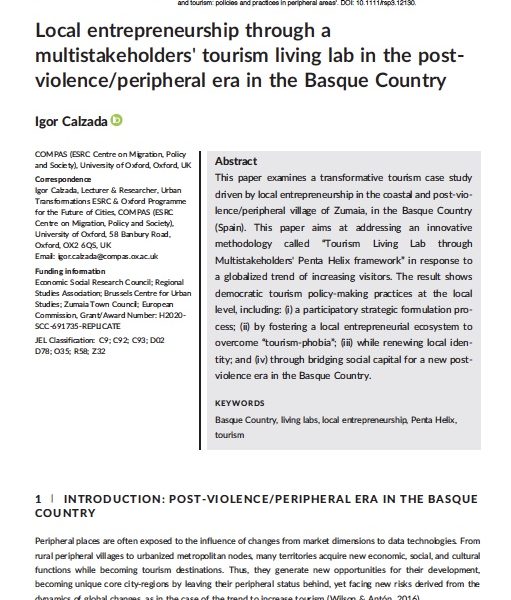

Publishing the journal article ‘Local Entrepreneurship Through a Multistakeholders’ Tourism Living Lab in the Post-Violence/Peripheral Era in the Basque Country’ in Regional Science Policy & Practice
The article 'Local Entrepreneurship Through a Multistakeholders’ Tourism Living Lab in the Post-Violence/Peripheral Era in the Basque Country' has been accepted for publication by
11 May, 2018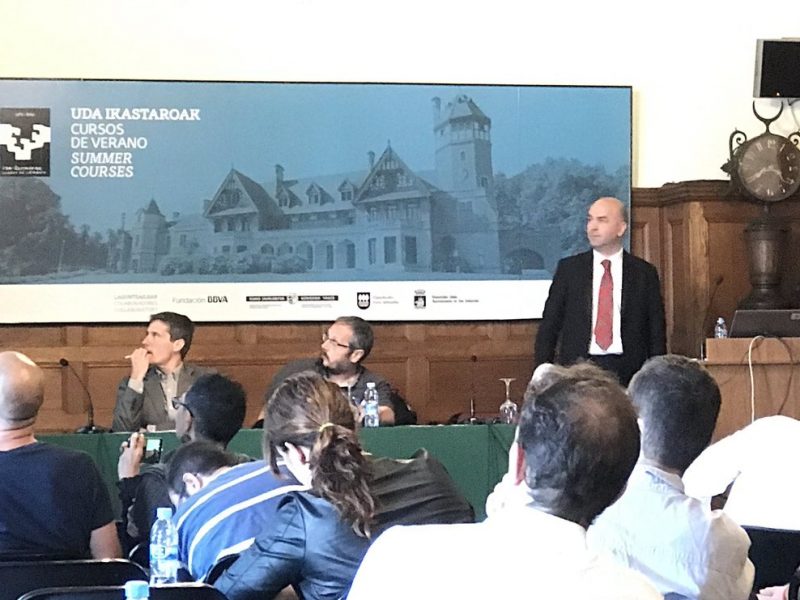
Keynote speaker at the Summer School on ‘Diplomacy of Nations in the XXI Century’ in St. Sebastian (09-10/07/2018, Basque Country/Spain)
Dr Calzada delivered a keynote conference entitled 'The XXI Century and the Diplomacy of Cities and Regions' in the Summer School that took place on 9-10th July in the Miramar Pala
23 April, 2018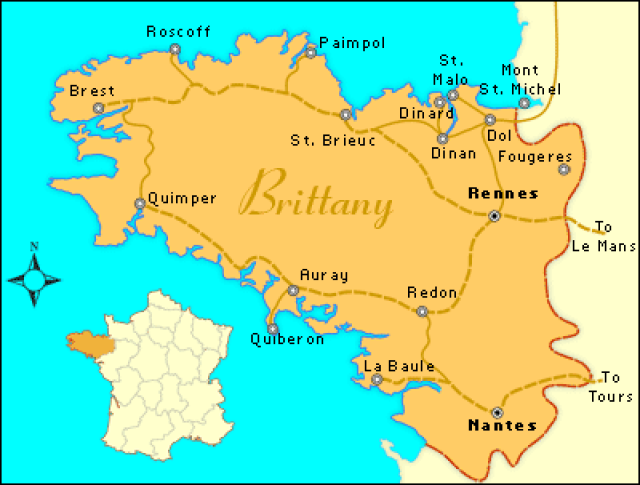

Keynote speaker at the Summer School on ‘Predictive Analytics, Big Data, Mobility and Open Platforms for an Efficient and Participative City’ in Rennes (02-03/07/2018, Britanny/France)
Dr Calzada will be the keynote speaker on the Summer School EIT Digital entitled 'Predictive analytics, big data, mobility and open platforms for an efficient and participative cit
22 April, 2018
Speaker at the Global Challenges Summit 2018 – Astana Economic Forum in Astana (18/05/2018, Kazakhstan)
Dr Calzada will participate as keynote speaker at the Global Challenges 2018 Summit 2018 in Astana, Kazakhstan, on 18th May.
21 April, 2018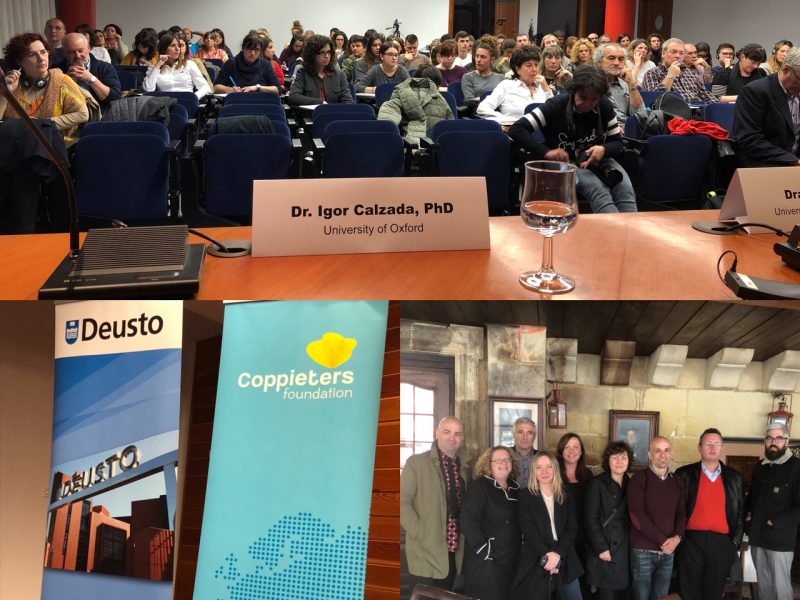
Panelist on ‘Transforming Tourism from a Regional Perspective: Challenges, Visions, Ways Forward’ roundtable at the University of Deusto in St. Sebastian (03/05/2018, Basque Country/Spain)
Dr Calzada participated in the roundtable entitled 'Transforming Tourism from the European Regions' at the University of Deusto, held by Ezkerraberri foundation and funded by Coppi
20 April, 2018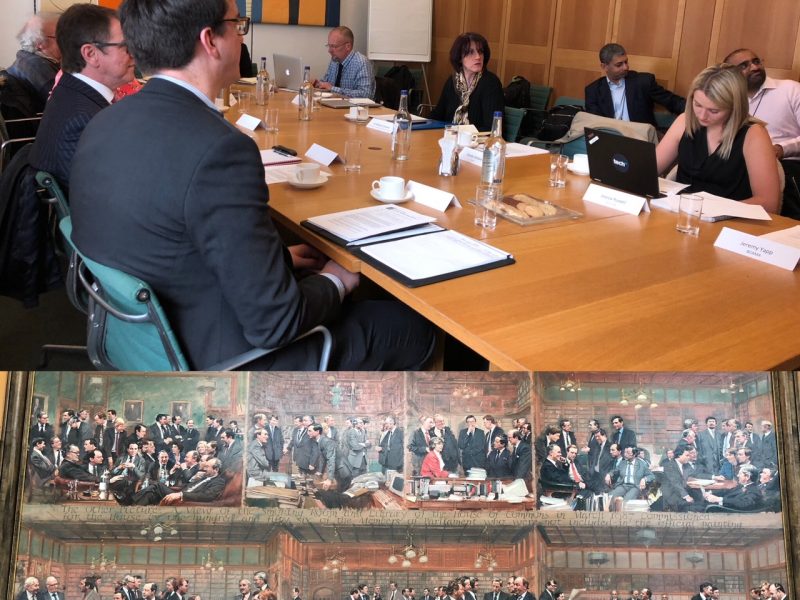
Participating in the All-Party Parliamentary Group on Smart Cities at the UK Parliament in Westminster, London (24/04/2018, UK)
Dr Calzada participated on 24th April in the roundtable held by All-Party Parliamentary Group (APPG) on Smart Cities entitled 'Intelligence governance, smarter cities' at the UK Pa
20 April, 2018
‘The Good City’ International Conference took place in Oxford as part of the outcome of the Urban Transformations ESRC programme
Dr Calzada has been the coordinator of the European strategy by organising a Workshop Series entitled 'Bridging European Urban Transformations' from June 2016 to June 2018.
19 April, 2018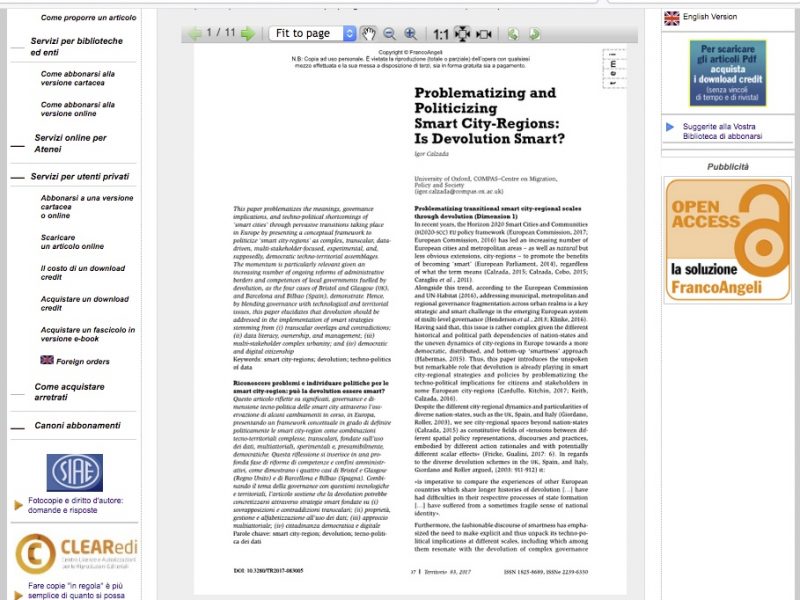
Publishing the journal article ‘Problematizing and Politicizing Smart City-Regions: Is Devolution Smart?’ in Territorio Journal
Dr Calzada has just published the article entitled 'Problematizing and Politicizing Smart City-Regions: Is Devolution Smart?' in the journal Territorio.
10 April, 2018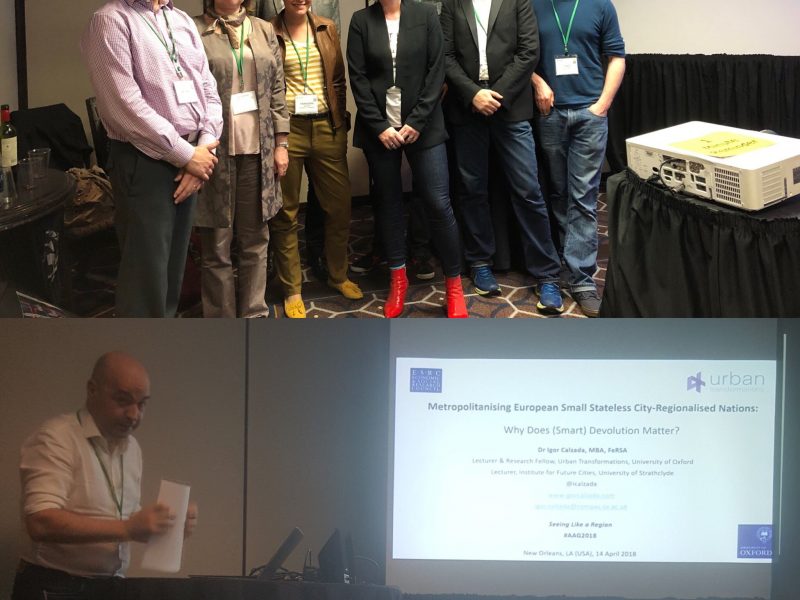
Contributing as Panelist & Discussant in the Session ‘Seeing Like a Region’ in the #AAG2018 American Association of Geographers Annual Meeting in New Orleans (11/04/2018, USA)
Dr Calzada will contribute as Discussant on 'City-Regional Geopolitics' and Panelist on 'Debates and Future Directions' on the Session: Seeing Like a Region.
14 February, 2018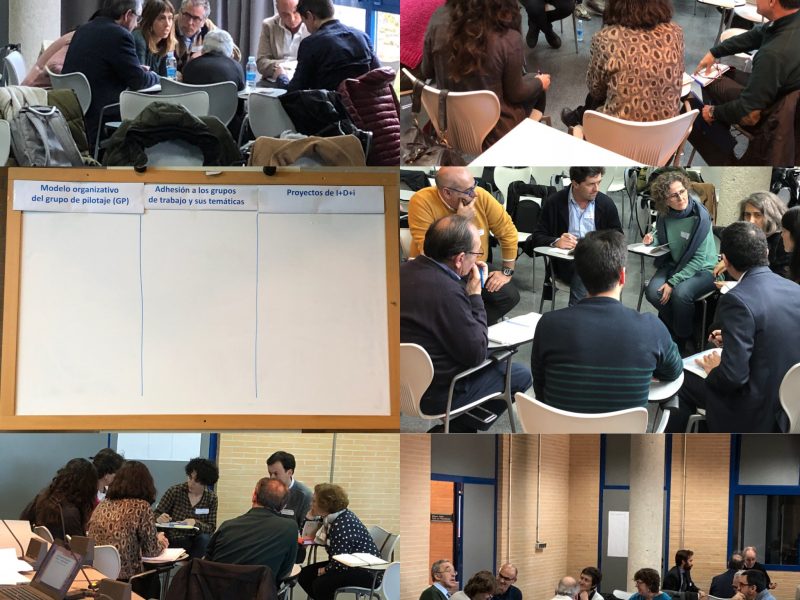
Giving advice to the ‘Science, Technology, & Innovation Plan 2020’ (PCTI2020/ZTBP2020) Urban Habitat project on Social Innovation of the Basque regional government (13/02/2018 & 26/06/2018, Basque Country/Spain)
Dr Calzada contributed by giving a conference to kick-off the strategic advisory on social innovation among a wide range of stakeholders.
12 February, 2018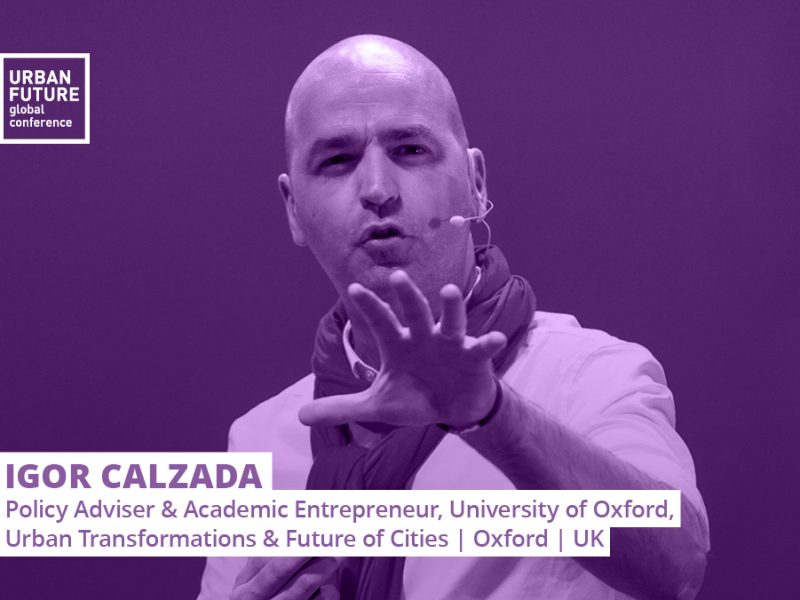
Invited Keynote Speaker in the Urban Future Global Conference in Vienna (28/02/2018, Austria)
Dr Igor Calzada will give a keynote presentation in the Urban Future Global Conference 2018 in Vienna on 28th February 2018.
11 February, 2018

Publishing the chapter on ‘Political Regionalism: Devolution, Metropolitanisation and the Right to Decide’ in the Handbook on the Geographies of Regions and Territories by Edward Elgar
Dr Calzada has contributed to Edward Elgar's Handbook on the Geographies of Regions and Territories volume kindly edited by Prof Anssi Paasi, Prof John Harrison, and Prof Martin Jo
01 February, 2018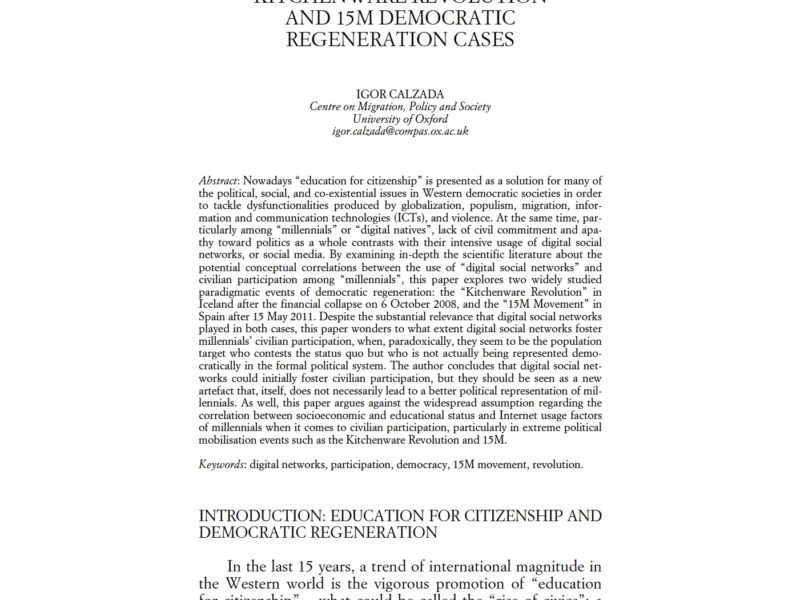
Publishing the journal article ‘Do Digital Social Networks Foster Civilian Participation among Millennials? Kitchenware Revolution & 15M Democratic Regeneration Cases’ in Globalism: Journal of Culture, Politics and Innovation
Dr Calzada's article on the role of the social media in millennials' civilian participation in the cases of the 15M in Spain and Kitchenware Revolution in Iceland, has been publish
30 January, 2018

Coordinating the 4th and final Workshop from the Series ‘Bridging European Urban Transformations’ > Rethinking the Urban Commons in European City-Regions in Brussels (12/02/2018, Belgium)
On 12th February 2018, the fourth and final workshop from the series 'Bridging European Urban Transformations' will take place in Brussels entitled: 'Rethinking the Urban Commons i
29 January, 2018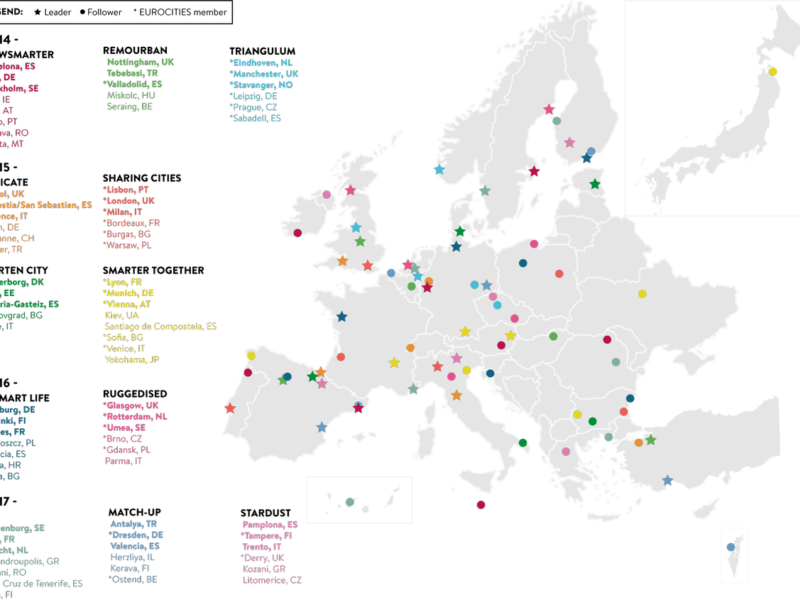
Participating as Replicate-H2020-Smart Cities & Communities WP Replication Leader at ‘Replication Workshop: From Follower to Lighthouse City for Smarter Cities’ in Brussels (26/01/18, Belgium)
Dr Calzada is participating as partner representative and WP leader of Replication of Replicate EU project, in the 'Replication Workshop: From Follower to Lighthouse City for Smart
25 January, 2018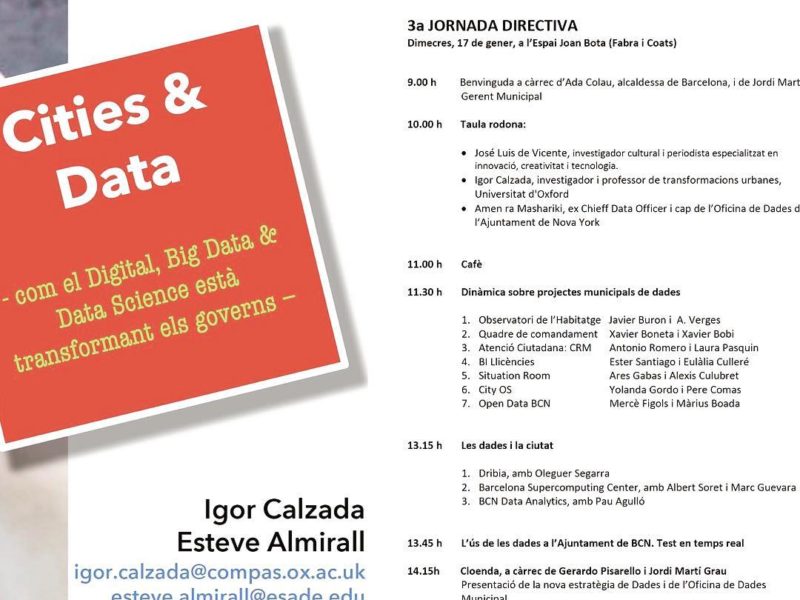
Speaker on the Board of Directors of the Barcelona City Council on Data-Driven Cities (17/01/2018, Catalonia/Spain)
Dr Calzada, in collaboration with Prof Esteve Almirall from the ESADE Business School in ESADE and Francesca Bria, Chief Technology and Digital Innovation Officer of the Barcelona
17 January, 2018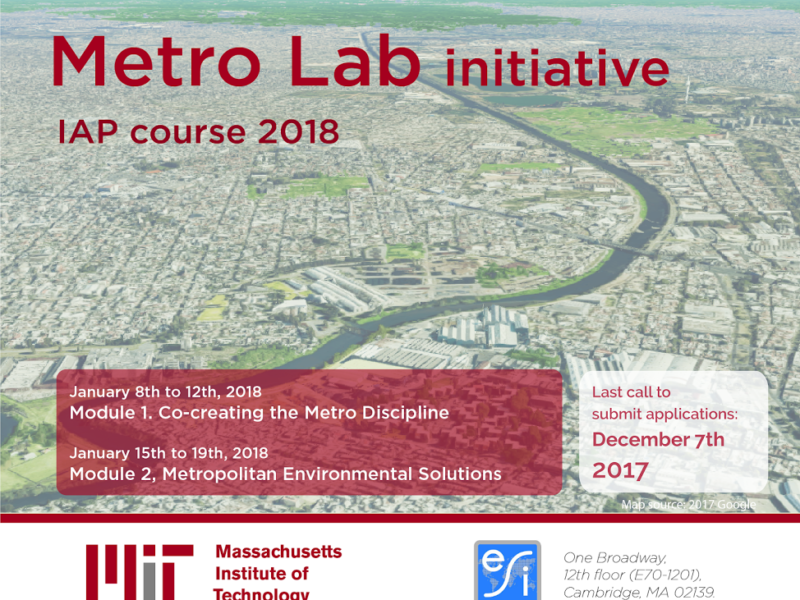
Invited Instructor/Guest Lecturer on the MIT Metro Lab Initiative in Boston, Massachusetts (11/01/2018, USA)
Dr Calzada will be teaching as an invited invited and guest lecturer on the MIT Metro Lab Initiative in Boston, Massachusetts on 11th January 2018 on 'Political Regionalism and Met
11 January, 2018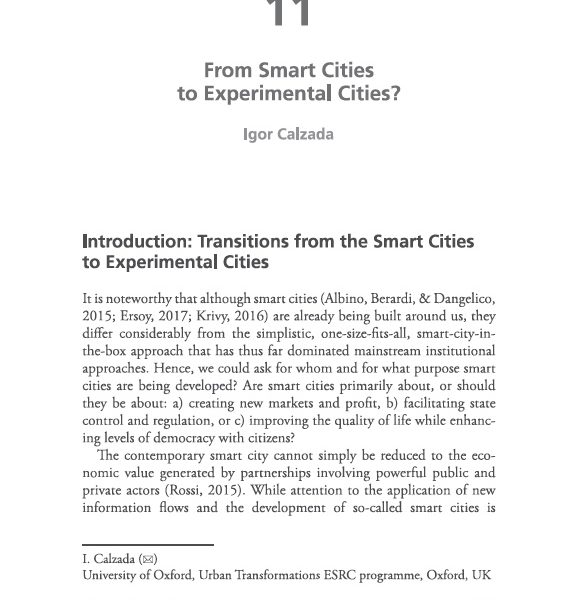

Publishing the chapter ‘From Smart Cities to Experimental Cities?’ in a book published by Palgrave Macmillan
Dr Calzada has recently published a chapter entitled 'From Smart Cities to Experimental Cities?' in the book published by Palgrave Macmillan and Springer/Nature.
10 January, 2018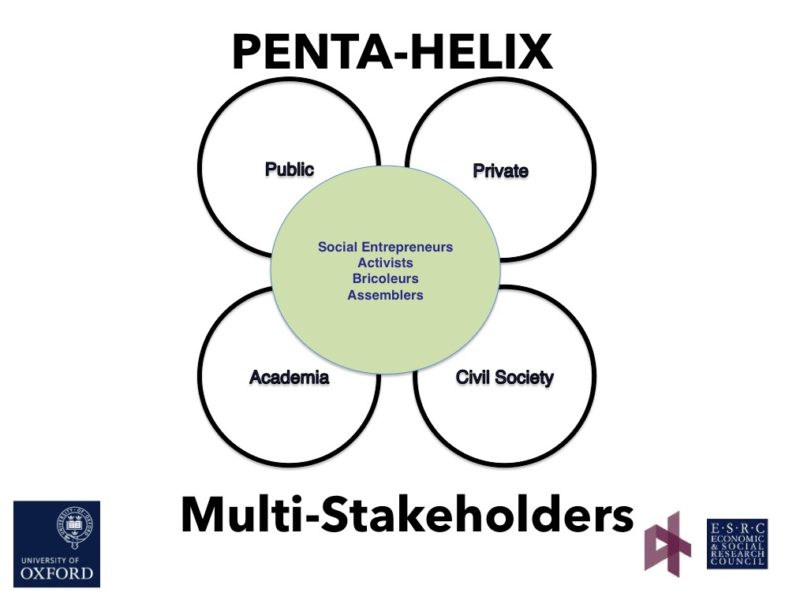
Publishing the paper entitled ‘Beyond Data-Driven Smart City-Regions? Rethinking Stakeholder-Helixes Strategies’ in Regions Magazine
Dr Calzada from the Urban Transformations programme at the University of Oxford in collaboration with Dr Cowie from the Future Cities Catapult, has published the article on rethink
09 January, 2018
Publishing the chapter entitled ‘About Independence (With Independence)’ in a crowdfunded compilation-book entitled ‘The Right to Decide, Drivers and Sovereignty’
This chapter entitled 'About Independence (with independence)' will be included in a book edition called 'The Right to Decide, Power & Sovereignty'.
09 January, 2018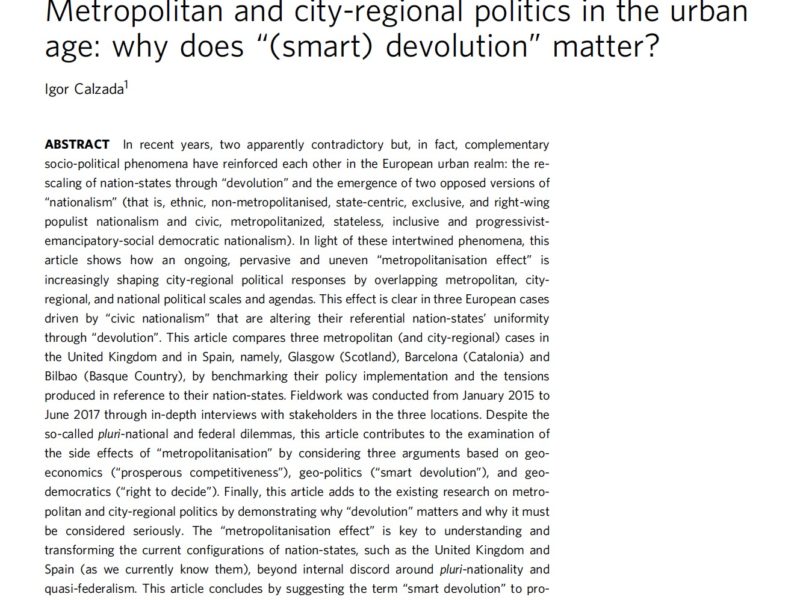
Publishing the journal article ‘Metropolitan and city-regional politics in the urban age: why does (smart) devolution matter?’ in Palgrave Communications
Dr Calzada published the article entitled 'Metropolitan and city-regional politics in the urban age: why does (smart) devolution matter?' via Palgrave Communications.
07 January, 2018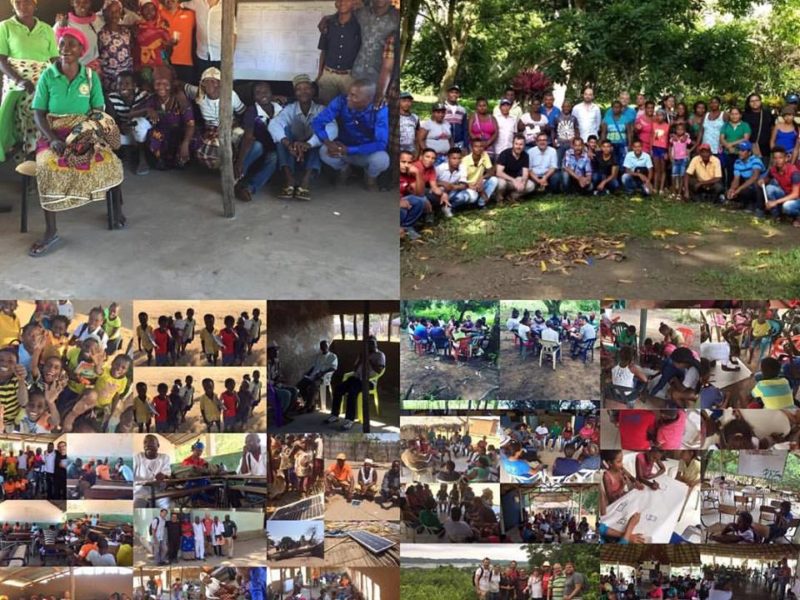
Directing ‘Smart Rural Communities’ Action Research Intervention project 2017-2018 in Colombia (Latin America) & Mozambique (Africa) organised by the NGO Ayuda En Acción (Aid-in-Action)
This project aims to conduct fieldwork research in two rural and remote communities in post-conflict areas: Colombia (Latin America) and Mozambique (Africa).
31 December, 2017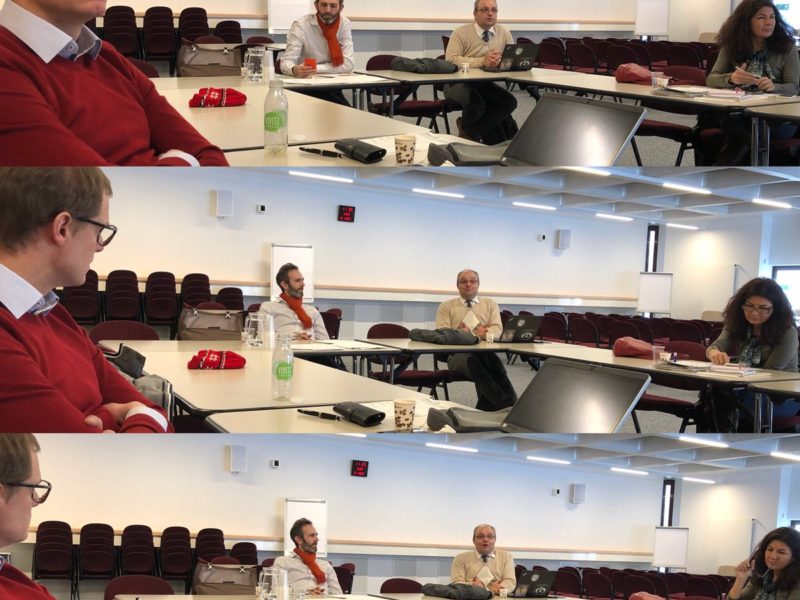
Conducting Replicate H2020-EU Lighthouse Smart City project on City-to-City-Learning Workshop in Lausanne (12/12/2017, Switzerland)
On the last 12th December, the workshop for analysing the multistakeholders' configuration was conducted by Dr Calzada in Lausanne (Switzerland).
12 December, 2017

Invited Guest Speaker on ‘Data Devolution in Europe’ in the session ‘Smart Cities & Data’ at MSc in Data, Analytics & Cloud at the ESADE Business School in Barcelona (23/11/2017, Catalonia/Spain)
Dr Calzada elaborated on 'Data Devolution in Europe' in the Speakers Session in ESADE Business School by presenting two journal articles
19 November, 2017
Invited Lecturer on ‘Smart Cities and Transformations for Territories and Cities’ Master Course at the Urban and Territorial Studies School of the Basque Country in Bilbao (23/11/2017, Basque Country/Spain)
Dr Calzada will deliver a Master Course on 'Smart Cities and Transformations for Territories and Cities' in the Urban and Territorial Studies School of the Basque Country in Bilbao
19 November, 2017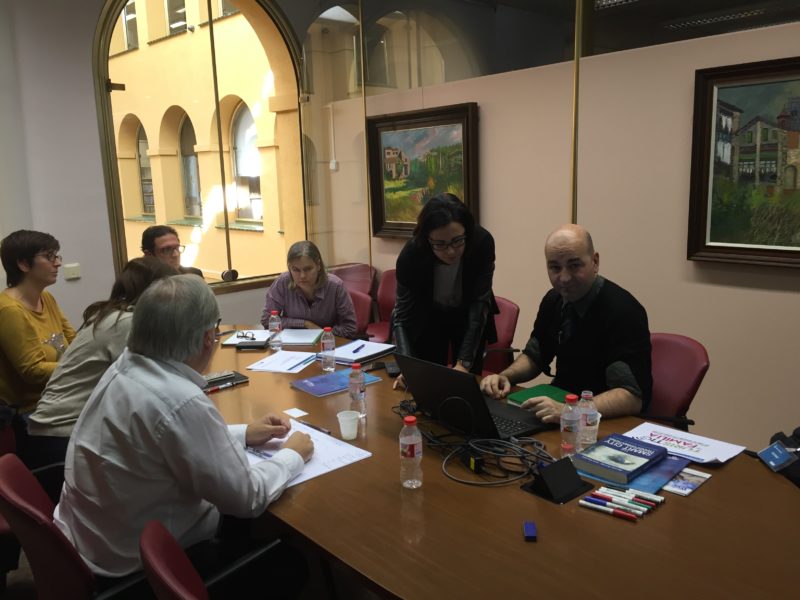
Giving advice to Projectes d’Especialització i Competitivitat Territorial (PECT)/RIS3CAT/FEDER. TurisTIC LivingLab. Tourism Living Lab Training Workshop in Tarragona (17/11/2017, Catalonia/Spain)
Dr Calzada conducted an internal learning-by-doing session with the Province Council of Tarragona on Tourism Living Labs.
17 November, 2017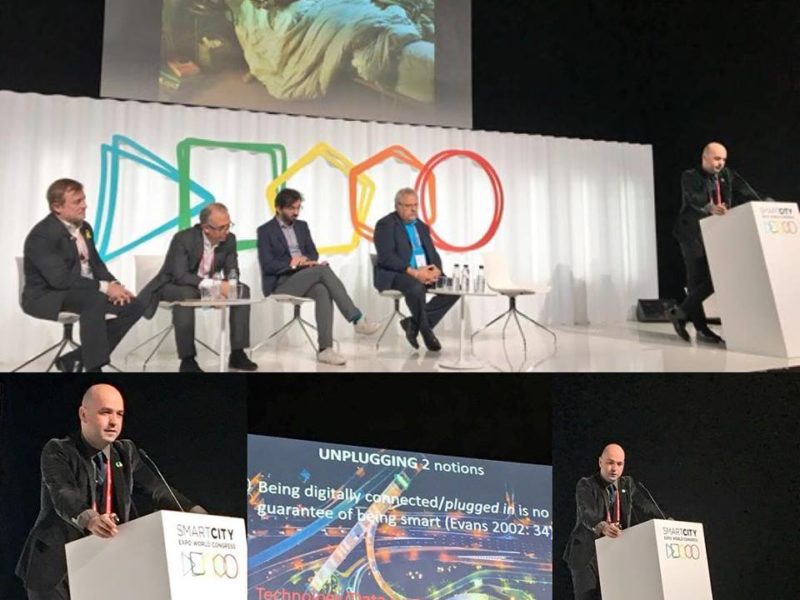
Keynote speaker in the Smart City Expo World Congress #SCEWC17 in Barcelona (16/11/2017, Catalonia/Spain)
Dr Calzada will took part in the thematic session entitled 'Going Beyond Data Mining: Building a City Data Strategy' of the SCEWC17 in Barcelona.
16 November, 2017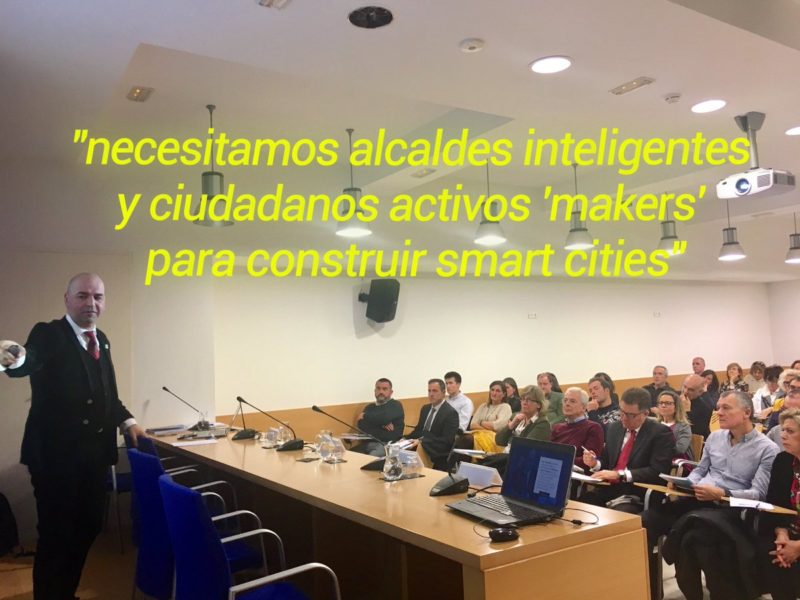
Wrapping-up and Presenting ‘HerriSmartik: Basque City-Regional Strategy in the H2020 European Context’ Smart Municipalities policy report presentation in Bilbao (14/11/2017, Basque Country/Spain)
Dr Calzada conducted a workshop and present the policy report 'Basque Smart City-Regional Strategy in the H2020 European Context' on 14th November in Bilbao.
14 November, 2017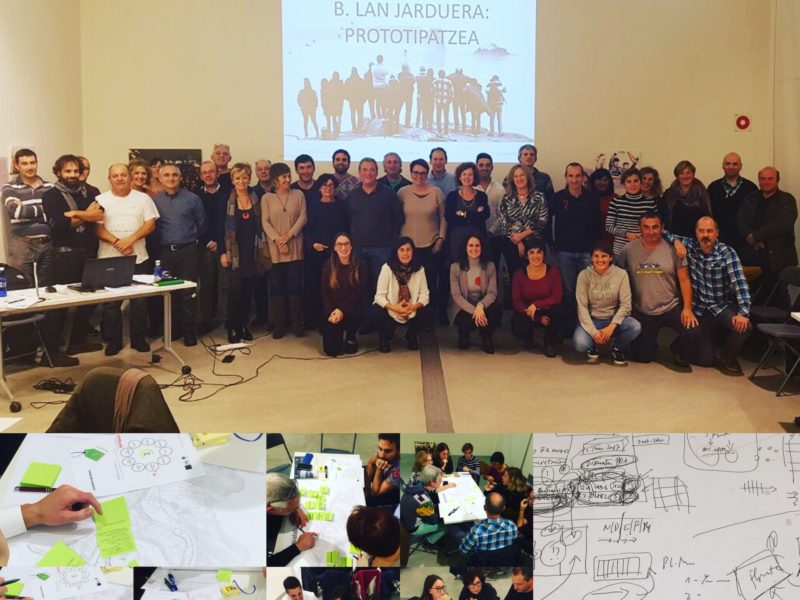
Conducting ‘ZumaiaLab: Tourism Living Lab’ in Zumaia. 2nd Lab (10/11/2017, Basque Country/Spain)
Dr Calzada is conducting this strategic process and setting-up the Tourism Living Lab.
10 November, 2017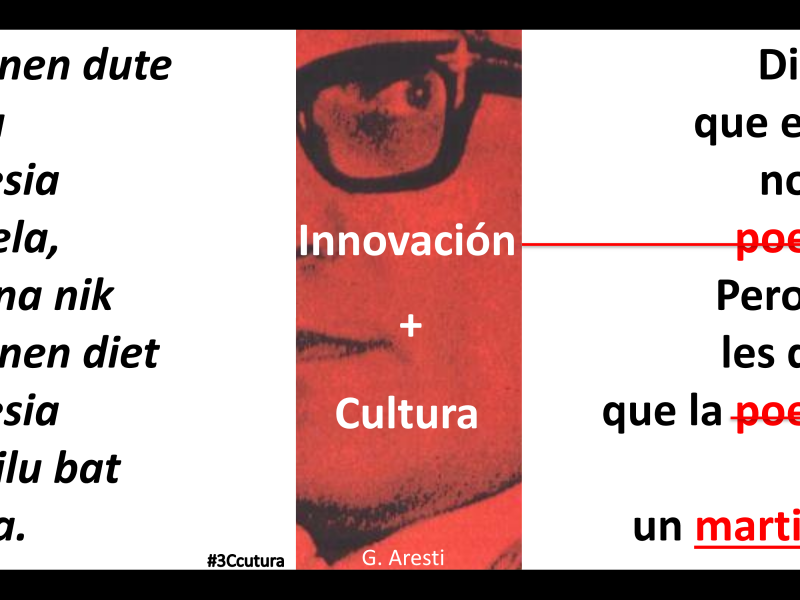
Keynote conference ‘Culture a Tool for Innovating?’ at the State Conference in Culture in Valladolid (Spain)
The State Conference in Culture will take place from 8th to 10th March in Valladolid (Spain). Dr Calzada will deliver a keynote entitled 'Culture a Tool for Innovating?'.
08 March, 2017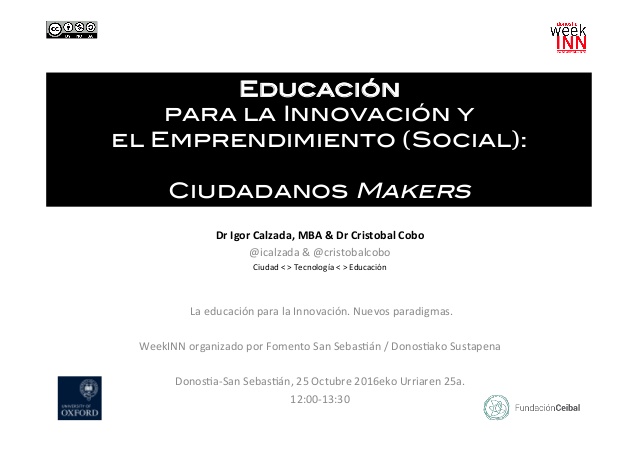

‘Education for (Social) Innovation: Transformation in (Smart) Cities/Educación para la Innovación (Social): Transformación en las Ciudades (Inteligentes)” Workshop 2016 Innovation Week organised by Fomento San Sebastian (Economic Promotion Agency)
Dr Calzada and Dr Cobo (both from the Future of Cities/Urban Transformations and Oxford Internet Institute respectively at the University of Oxford), will conduct a workshop entitl
25 October, 2016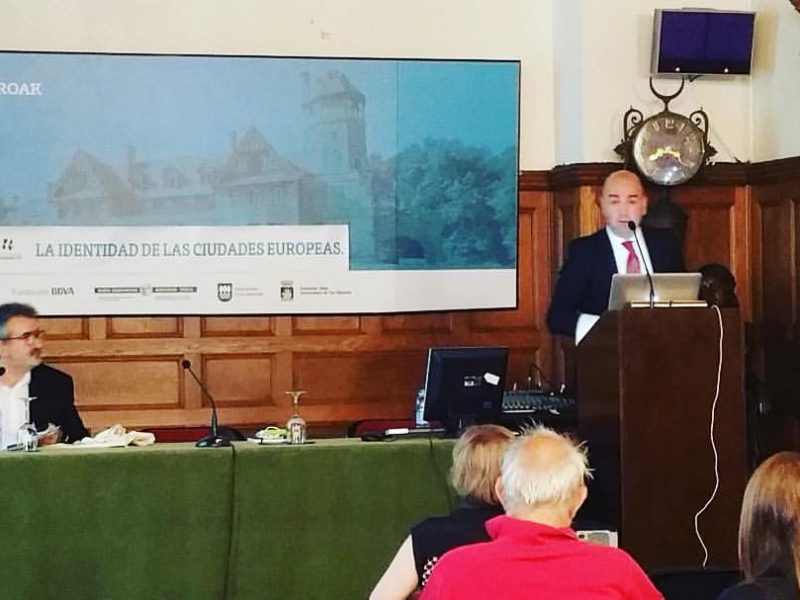
Keynote speaker Summer School ‘The Identity of the European Cities’ Donostia-San Sebastián (Basque Country – Spain). 11-12th July 2016
Dr Calzada will open with the keynote conference 'Is Changing the Identity of (European) Cities?' the Summer School 'The Identity of the European Cities' 2016 in Donostia-St. Sebas
11 July, 2016
Paper at 15th Border Regions in Transition (BRIT) Conference ‘Cities, States and Borders’: Comparing Cross-Bordering City-Regional Strategies Beyond Nation-States in Oresund and the Basque Country. Hamburg (Germany) <> Sonderborg (Denmark) 17-20th May 2016
Dr Igor Calzada will deliver a paper entitled 'Comparing Cross-Bordering City-Regional Strategies Beyond Nation-States in Oresund and the Basque Country' in the 15th Border Regions
01 May, 2016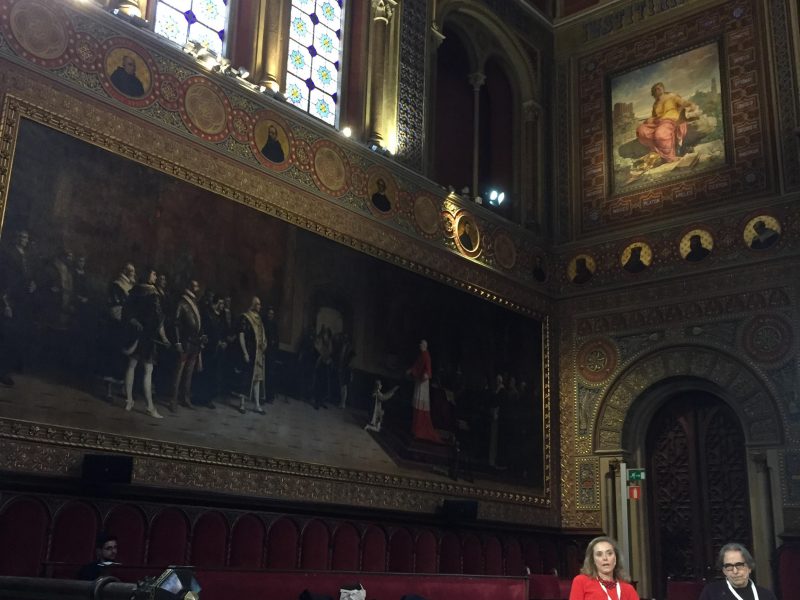
Habitat III: Public Spaces – Thematic Meeting in Barcelona (Catalonia-Spain) #H3Barcelona #Habitat3 #NewUrbanAgenda
Dr Igor Calzada, MBA, has been participating (in representation of the Urban Transformations ESRC porfolio co-ordinated by the University of Oxford), in the Habitat III Thematic Me
04 April, 2016

‘Independentziaz (independentziarekin)’ book chapter published by Sorzain publisher
Here is the chapter entitled 'About Independence (with independence)' that will contribute to a new edition on 'The Right to Decide, Power and Sovereignty' by Sorzain publishing.
21 March, 2016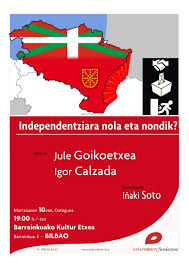

‘Independentziara: nola eta nondik?/Towards independence? where from and how?’ Conference in Bilbao on 10th March 2016
Dr Calzada took part in the roundtable organised by Ezkerraberri Foundation (which belongs to Aralar, left independentist political Basque party). He discussed with Dr Goikoetxea f
07 March, 2016
